
Your Heating Bill In Kingston Is Set in Tehran, Riyadh, and Moscow. Here's How to Change That.
Your heating bill this winter was set, in part, by decisions made in Moscow, Riyadh, and Tehran. If you heat with oil or propane, you probably already know this. Every time there's a war, a blockade, or a production cut halfway around the world, the price at the delivery truck goes up. Keith and the team at ECM have been working through this with Kingston-area homeowners for years. The pattern is consistent, and it's not random. Here's what's driving it, and what you can actually do about it.
Your heating bill is connected to events you can't control
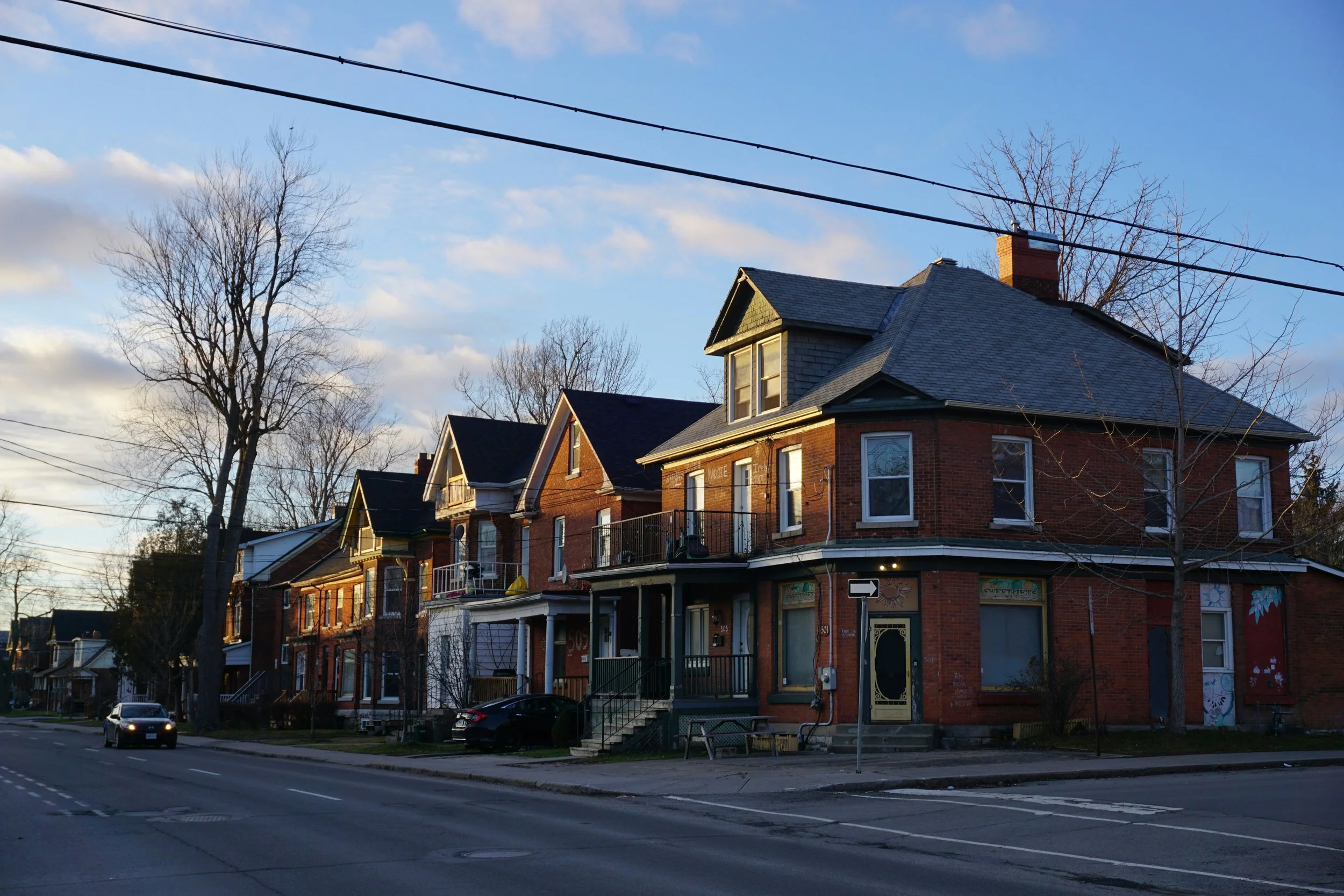
Canadian heating oil and propane are priced on global commodity markets. It doesn't matter that Canada produces its own oil — our prices track with global supply and demand, and global supply is controlled by a small group of producers who make decisions based on politics, not your comfort. When supply gets disrupted, prices spike, usually within weeks. That spike shows up on your next delivery bill. There's no buffer, no cap, no protection. You either pay it or you don't heat your home. For Kingston homeowners outside the city's natural gas service area, this is especially real. If you're in Frontenac County, Napanee, or anywhere a pipeline hasn't reached, you're buying delivered fuel and you're fully exposed to whatever the market is doing.
Fifty years of crises, fifty years of price spikes

This isn't a recent problem. The same pattern has played out every decade since the 1970s.
1973 — OPEC oil embargo. Arab oil-producing nations cut production by 25% and embargoed several Western countries, including Canada. Global crude quadrupled in under six months. Ontario homeowners on heating oil felt it immediately. Many switched to natural gas over the following decade and never looked back.
1979 — Iranian Revolution. Iranian oil exports halted. Crude doubled within a year. The Canadian government quietly printed rationing stamps for gasoline, though they were never distributed. Interest rates hit 20% by 1981. Ontario's shift away from oil heating accelerated sharply through the 1980s.
1990 — Gulf War. Iraq's invasion of Kuwait removed millions of barrels of daily supply from global markets. Crude more than doubled in three months. Heating oil prices in North America jumped roughly 45% at the peak. The spike was relatively short, but the homes still on oil took the full hit.
2005–2008 — The commodity supercycle. This one was slower but more sustained. Crude climbed from about US$21 per barrel in early 2002 to an all-time high of US$147 per barrel in July 2008 — a nearly 600% increase over six years. Natural gas also spiked significantly after hurricanes Katrina and Rita in 2005. Canadian heating oil roughly doubled in price over this period.
2022 — Russia's invasion of Ukraine. This was the most severe energy price shock in decades. Canadian heating oil averaged 194 cents per litre that year — up 64% from 2021 — and peaked at $2.35 per litre in November, an all-time record. Natural gas bills rose 20–25% across Ontario. If you were heating with oil that winter, you remember it.
The numbers tell a clear story. From 2000 to 2022, Statistics Canada data shows home heating oil prices rose approximately 258%. Natural gas rose 83%. Electricity? 70% — and that increase came in slow, predictable, regulated steps. Not shocks.
What's happening right now
As of early 2026, Canadian heating oil is back near $2.10 per litre and climbing. The current driver is the conflict involving Iran and the Strait of Hormuz, which handles roughly 20% of the world's daily oil supply. When that route is disrupted, global prices move fast. Add in the ongoing uncertainty around Canada-US trade relations, and energy markets are as unsettled as they've been since 2022. If you're on oil or propane right now, you're watching this play out on your delivery invoices.
Why is electricity different
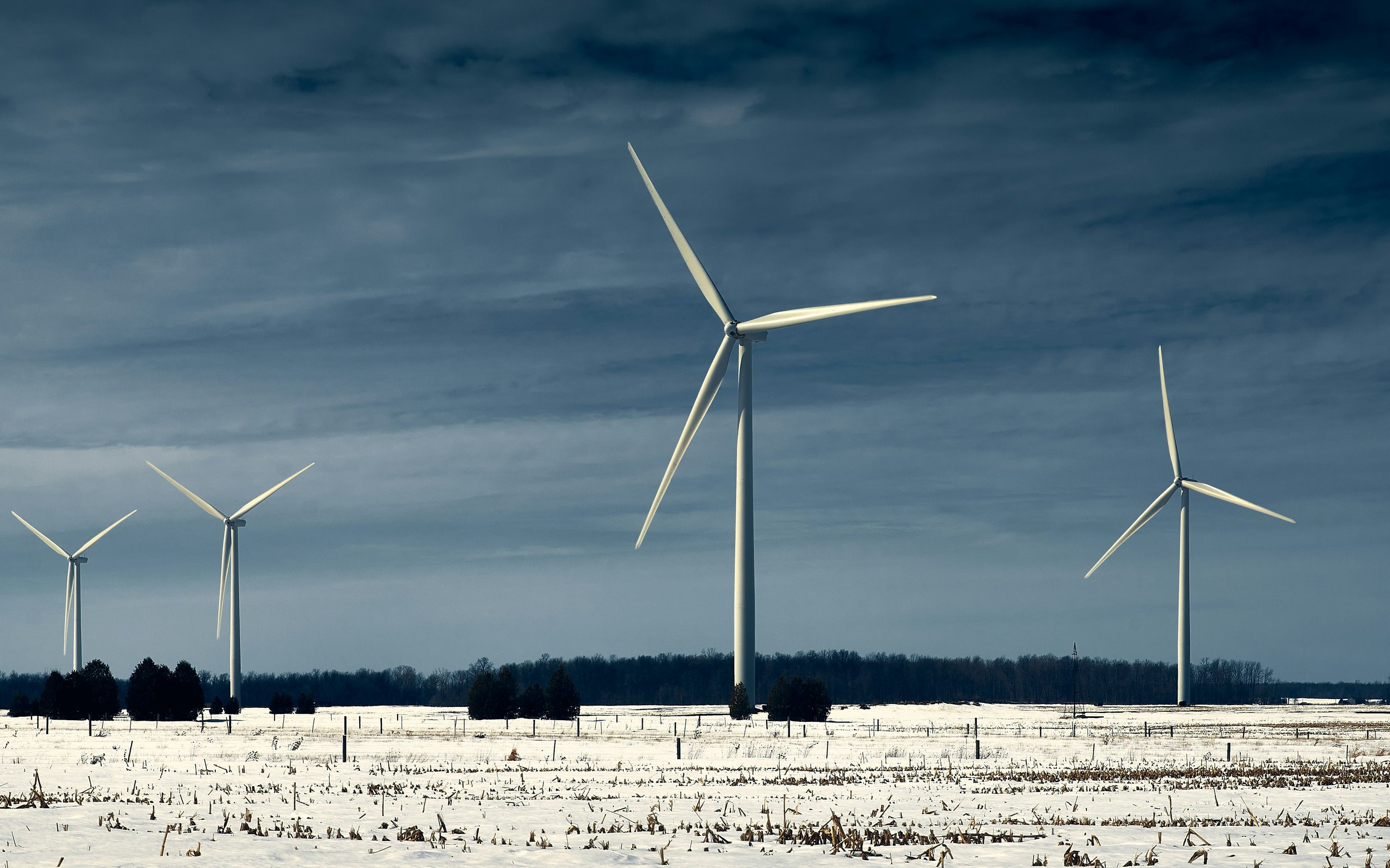
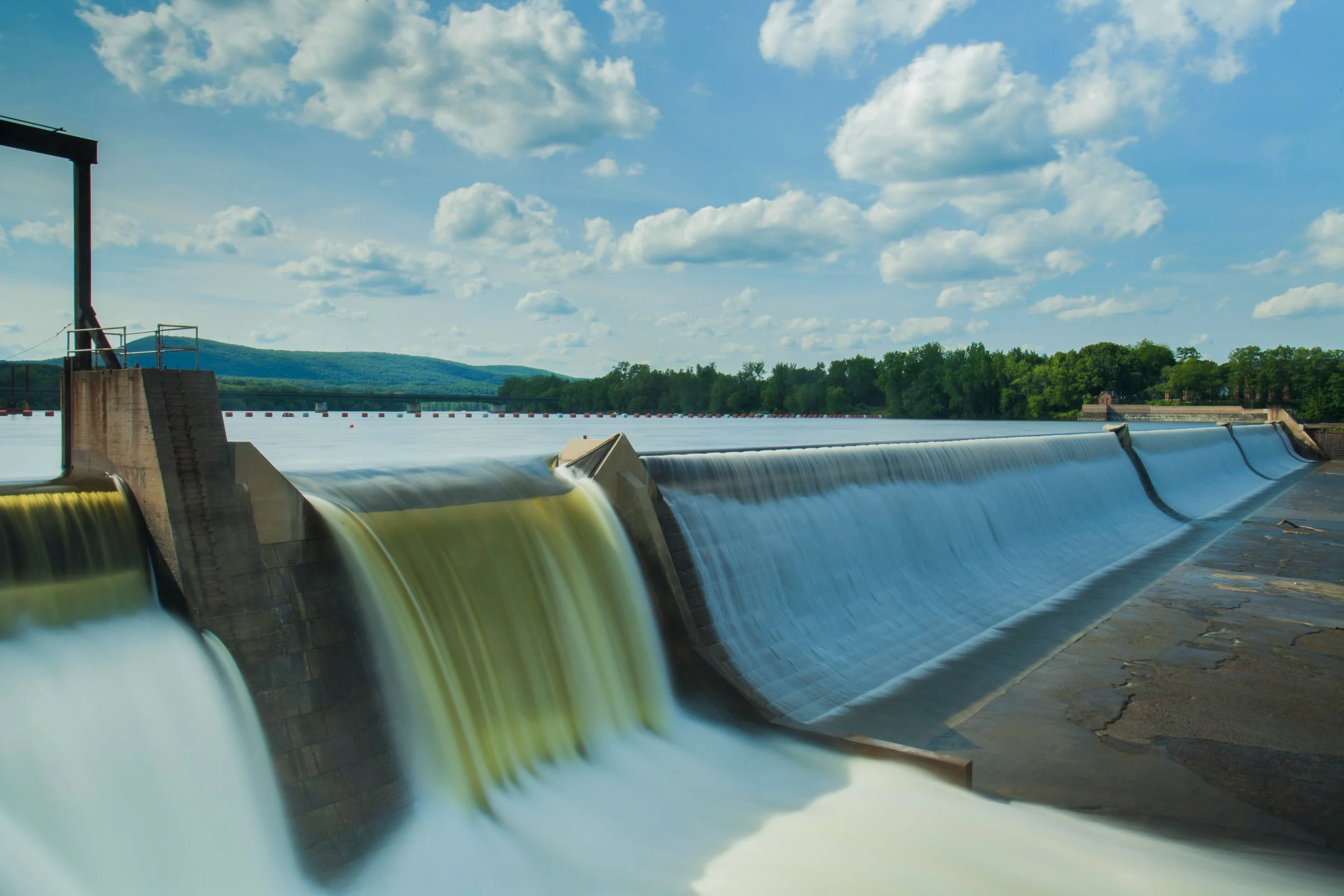
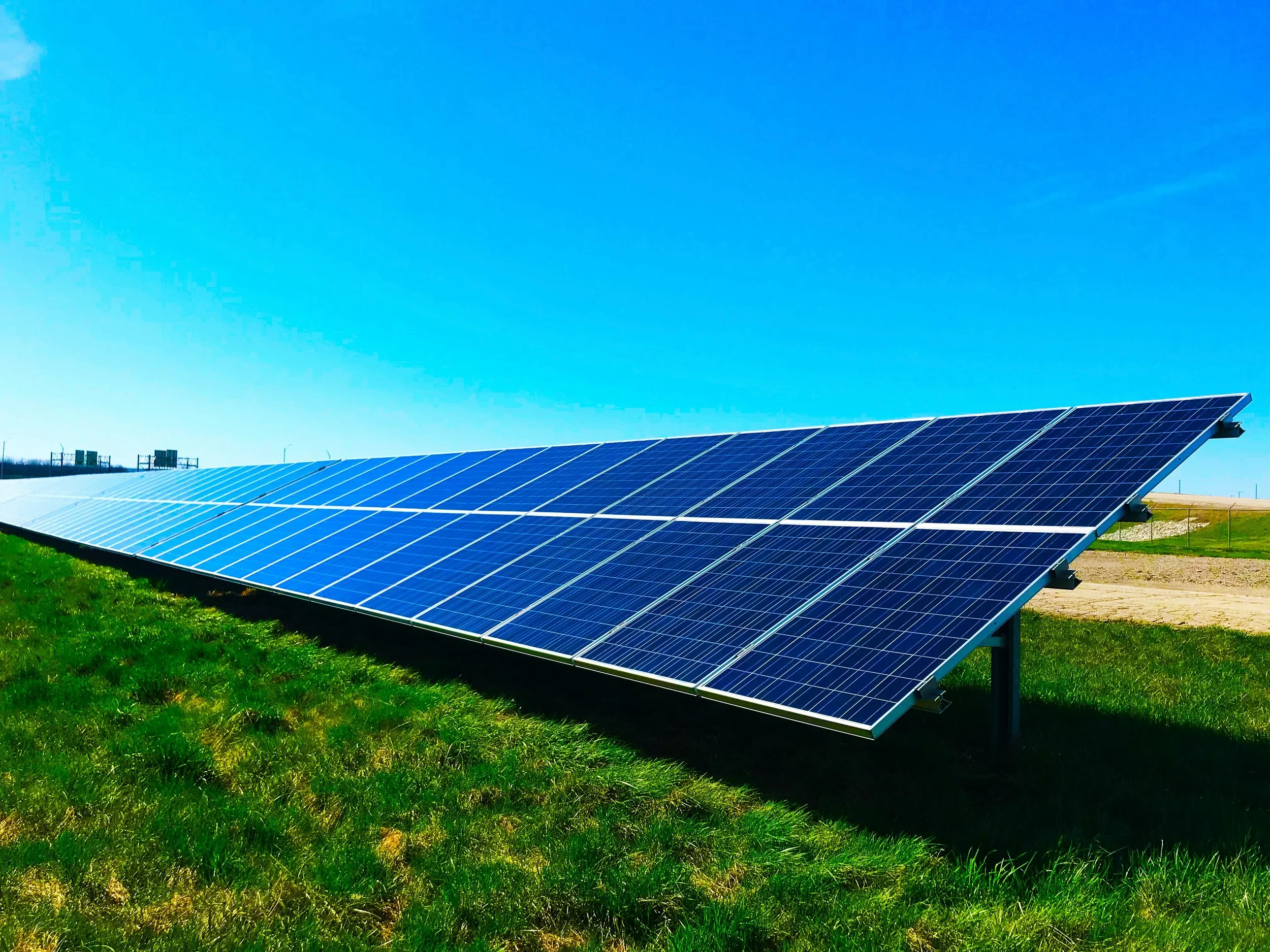
This is the part that surprises most people when they look at the numbers. Ontario's electricity comes primarily from nuclear, hydroelectric, wind, and solar. According to the Independent Electricity System Operator (IESO), nuclear alone typically generates about 60% of Ontario's electricity. Hydro contributes roughly 24%. Wind, solar, and bioenergy make up most of the rest. Natural gas fills in the gaps but is a relatively small share in a typical year. Nuclear runs on uranium, which is domestically sourced and has an extremely low fuel cost relative to output. Hydro is powered by gravity. Wind and solar have no fuel cost at all. What this means in practical terms: when you heat with a heat pump on Ontario's grid, your energy comes from sources that OPEC, Russia, and Iran cannot meaningfully affect. That shows up in the pricing history. In 2022, the year heating oil hit $2.35 a litre, Ontario electricity prices rose about 1.6%, according to Efficiency Canada's Myth Buster report. In that same year, fossil fuel energy costs across Canada rose 73% year over year. Ontario electricity rates are set by the Ontario Energy Board, adjusted on a fixed, publicly announced schedule twice a year. There are no supply shocks, no geopolitical surprises, no delivery driver showing up with a new price on the invoice. Over the past 20 years, Ontario electricity rates have approximately doubled — but that increase happened gradually, at roughly 3.5% per year, on a predictable schedule. Heating oil doesn't work that way.
What this actually costs — and saves — in Kingston
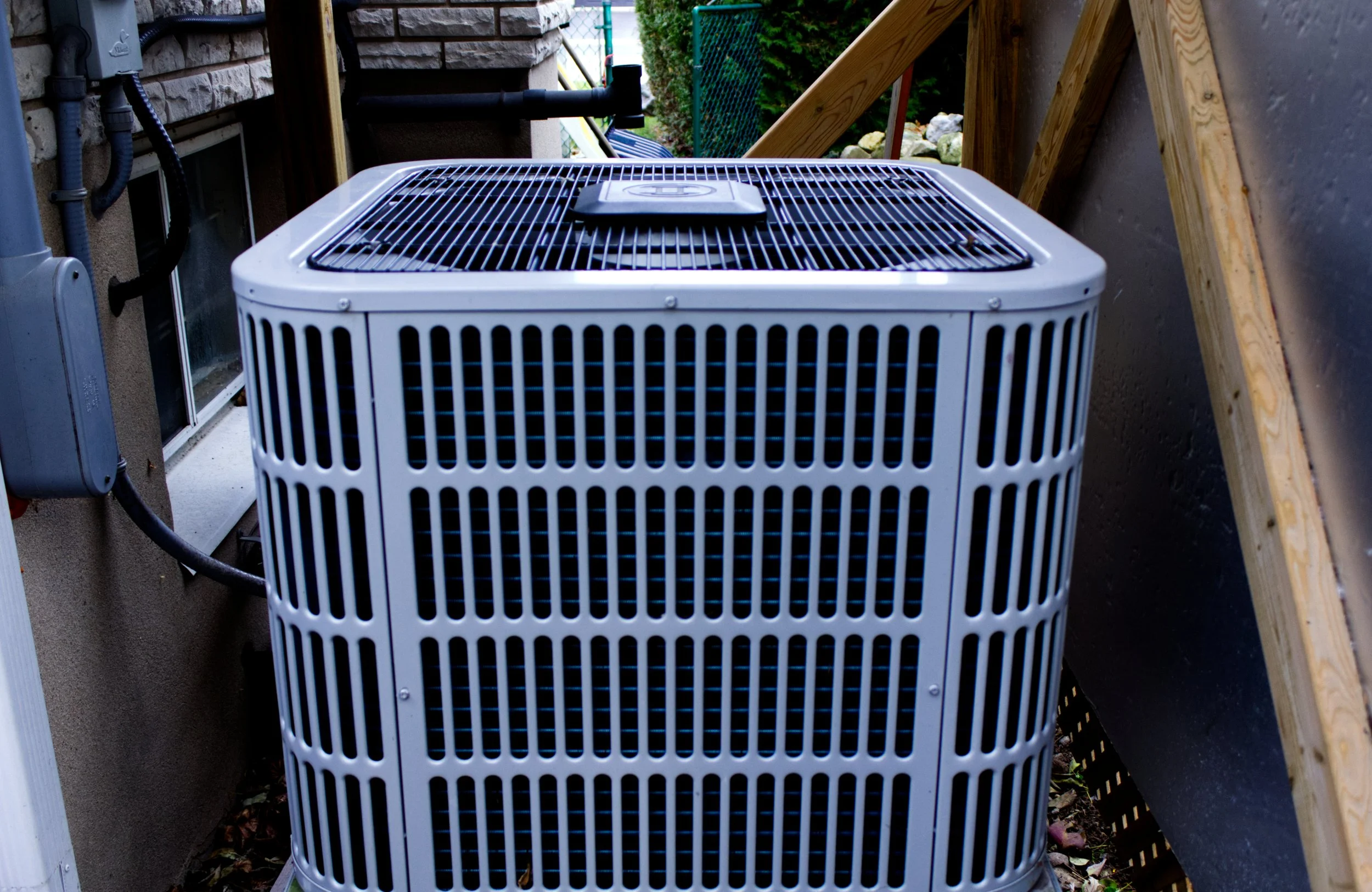
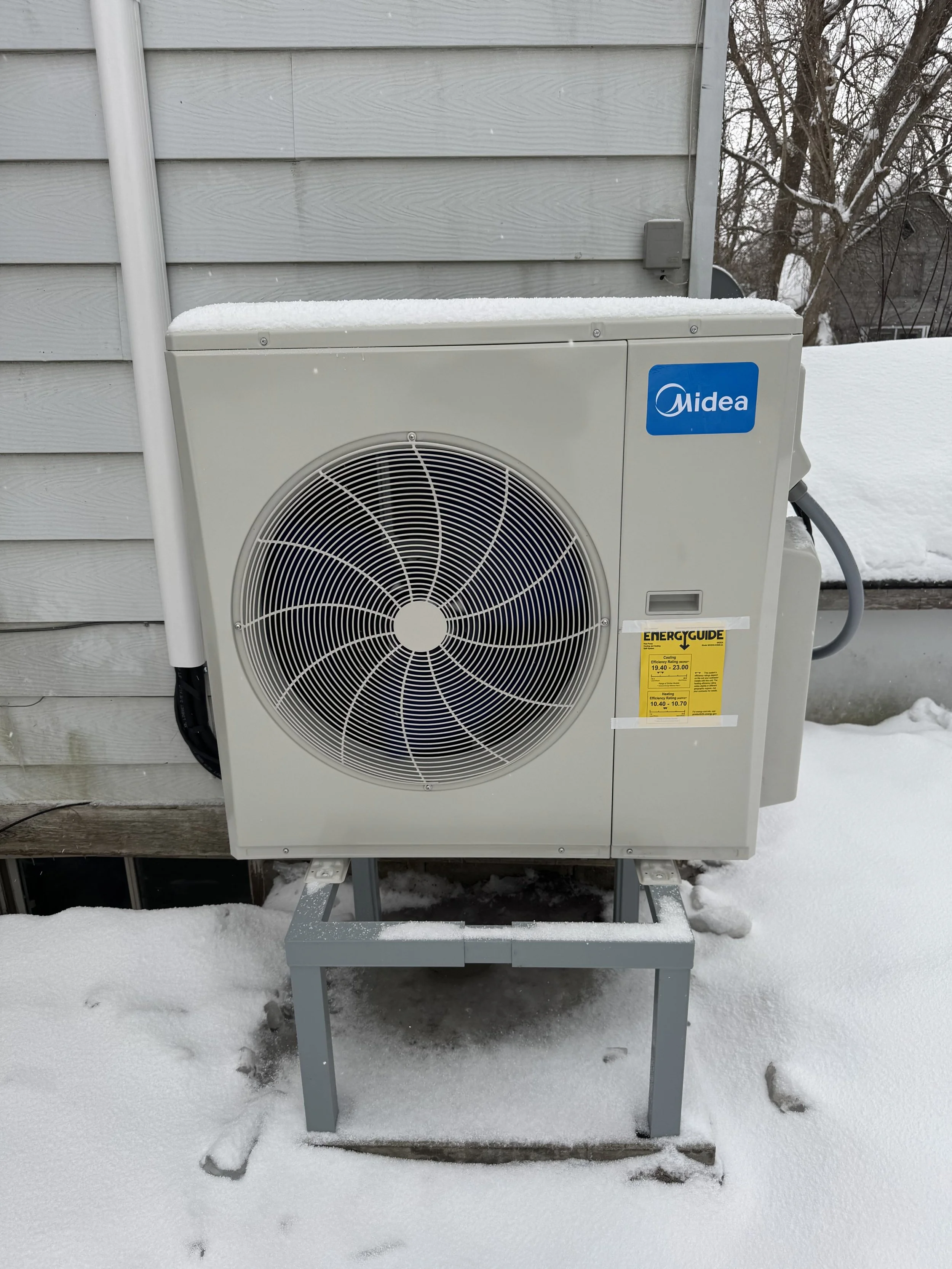
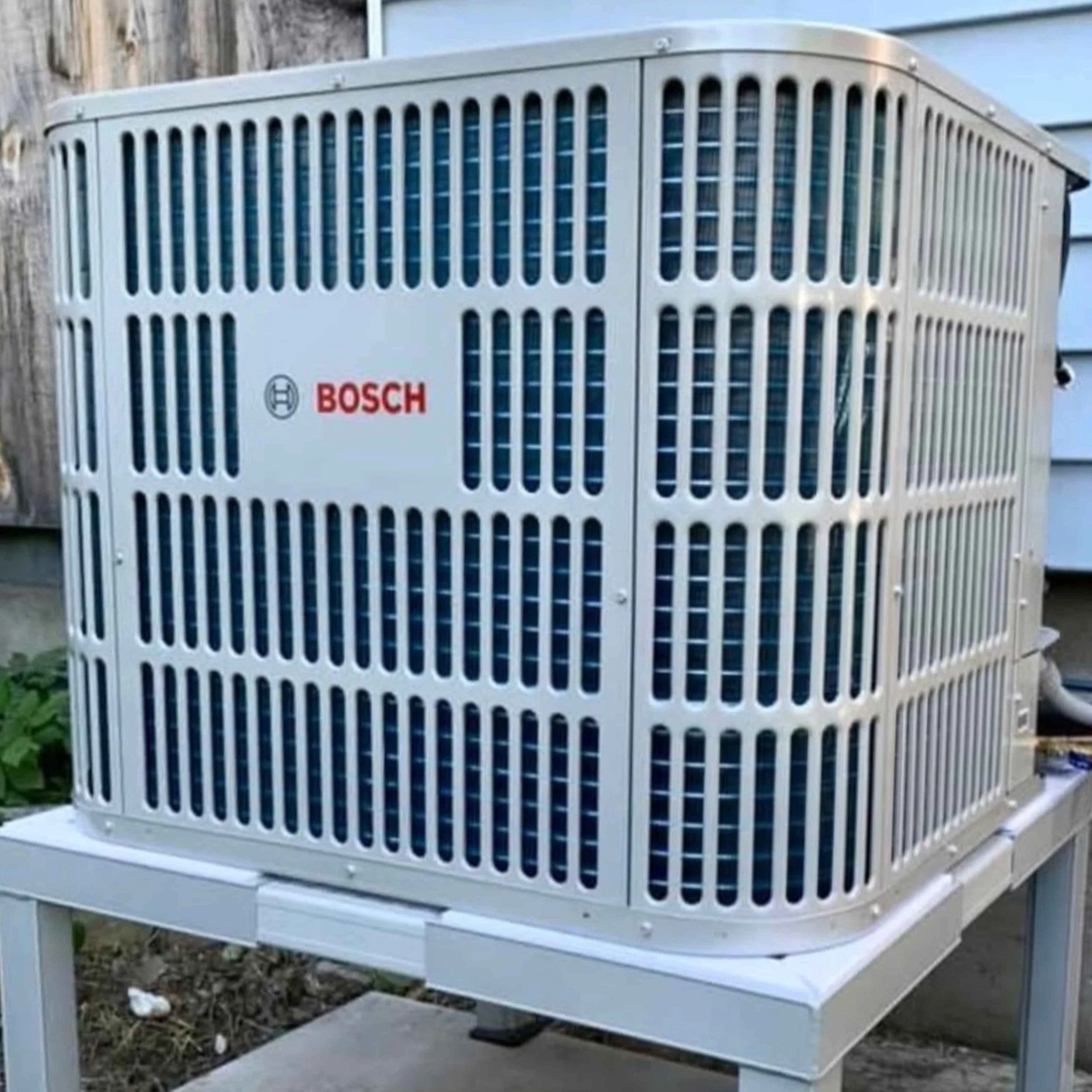
A cold-climate air-source heat pump runs on electricity and delivers two to two-and-a-half kilowatt-hours of heat for every one kilowatt-hour it consumes. That efficiency is what makes the economics work even when compared to relatively affordable natural gas. Modern cold-climate systems, including the Mitsubishi units ECM installs, are rated to operate at temperatures down to -30°C. Kingston sits in Climate Zone 6 with a design temperature around -22°C to -25°C. These systems handle our winters without issue. Based on NRCan and CanmetENERGY research, switching from an oil furnace to a cold-climate heat pump typically saves $1,000 to $3,500 per year in energy costs. The range depends on your current usage, home size, and insulation, but the direction is consistent. The Canadian Climate Institute found that the lifetime cost of a heat pump with electric backup is, on average, 13% less than a gas furnace with air conditioning factored in. That's before any rebates. With rebates, the gap is larger. You can explore our heat pump installation services to get a sense of what system makes sense for your home's layout and existing setup.
The rebate money that exists right now


There are real programs available to Kingston-area homeowners right now, and the amounts are worth knowing.
Ontario Home Renovation Savings Program (HRSP) — active as of March 2026. If you currently heat with oil, propane, electricity, or wood, you may qualify for up to $7,500 for a cold-climate air-source heat pump, or up to $12,000 for a ground-source system. If you heat with natural gas through Enbridge, the rebate is lower — up to $2,000 for an air-source system. One note specific to Kingston: homes on Utilities Kingston gas rather than Enbridge may fall into a different eligibility stream. It's worth confirming directly with the program before you start. Oil to Heat Pump Affordability Program (OHPA) — active in Ontario. If you heat with oil and your household income is at or below the median, this program can cover up to $25,000 in total costs, including equipment, installation, electrical panel upgrades, and oil tank removal. In some cases, eligible homeowners receive the full installation at no upfront cost. Better Homes Kingston — currently closed, relaunch expected in 2026. This City of Kingston program offered zero-interest loans up to $40,000, repaid gradually through your property taxes over 20 years. It can be stacked on top of provincial and federal rebates. You can join the waitlist at the City's website. For a full breakdown of what's available and what you'd qualify for, see the Kingston Heat Pumps grants and rebates page.
Is a heat pump right for your home?
Not every home is the right fit for every system, and Keith is upfront about that when he sits down with homeowners. A heat pump works best when your insulation is solid, your electrical panel can handle the load, and you have a plan for backup heat on the coldest nights. What we can say after installing heat pumps across Kingston, Belleville, Loyalist Township, Gananoque, and the surrounding area: for homes currently on oil or propane, the financial case is strong. The upfront cost is real. The rebate support is real. And the long-term protection from global fuel price swings is real. ECM was recognized at the 2023 Sustainable Kingston Awards for most heat pumps installed in the Kingston region — not because it's a trend, but because the numbers keep making sense for homeowners here. If you want to know where your home stands, contact Keith and the team for a free assessment. We'll tell you honestly if a heat pump doesn't make sense for your situation. But after fifty years of heating bills spiking every time a government falls or a shipping lane closes, more and more Kingston homeowners are deciding they'd rather not find out what the next crisis does to their fuel costs.
