
What They Are, What They Cost, and What Ontario Will Cover
A homeowner in Kingston's west end called us last October. Their oil furnace was 19 years old. Their January heating bill the previous winter had cleared $700. They'd been Googling "Bosch geothermal heat pump" for three weeks and had more questions than answers. "Just tell me," they said, "is this real or is it just a product people sell?"
It's real. It's also not for every home, and it isn't cheap upfront. This post aims to give you the complete picture of what a Bosch geothermal systems actually does, what they cost in Kingston, what Ontario programs cover in 2026, and, honestly, when we'd tell you it might not be worth it. If you're doing your research before talking to a contractor, this is the blog to read first.
Why homeowners in Kingston are asking about geothermal this year
Search interest in Bosch geothermal systems has spiked significantly across Ontario in early 2026 and it's not hard to understand why. Heating oil prices have stayed volatile. Natural gas costs in Kingston run roughly 20% above the Ontario average. And the Ontario Home Renovation Savings Program is currently offering up to $12,000 toward a geothermal installation, the highest rebate available for any residential heating system in the province right now. Geothermal was always technically sound. What's changed is the economics. When you combine rising fossil fuel costs with available rebates and a 15-to-25-year system lifespan, the math is starting to favour geothermal in ways it didn't five years ago.
If your home runs on heating oil, propane, or electric baseboard, keep reading. The numbers we're about to share are based on real installation costs in this region, and they'll give you a clear starting point for your own calculation. See what rebates and grants are currently available for Kingston homeowners before you do anything else.
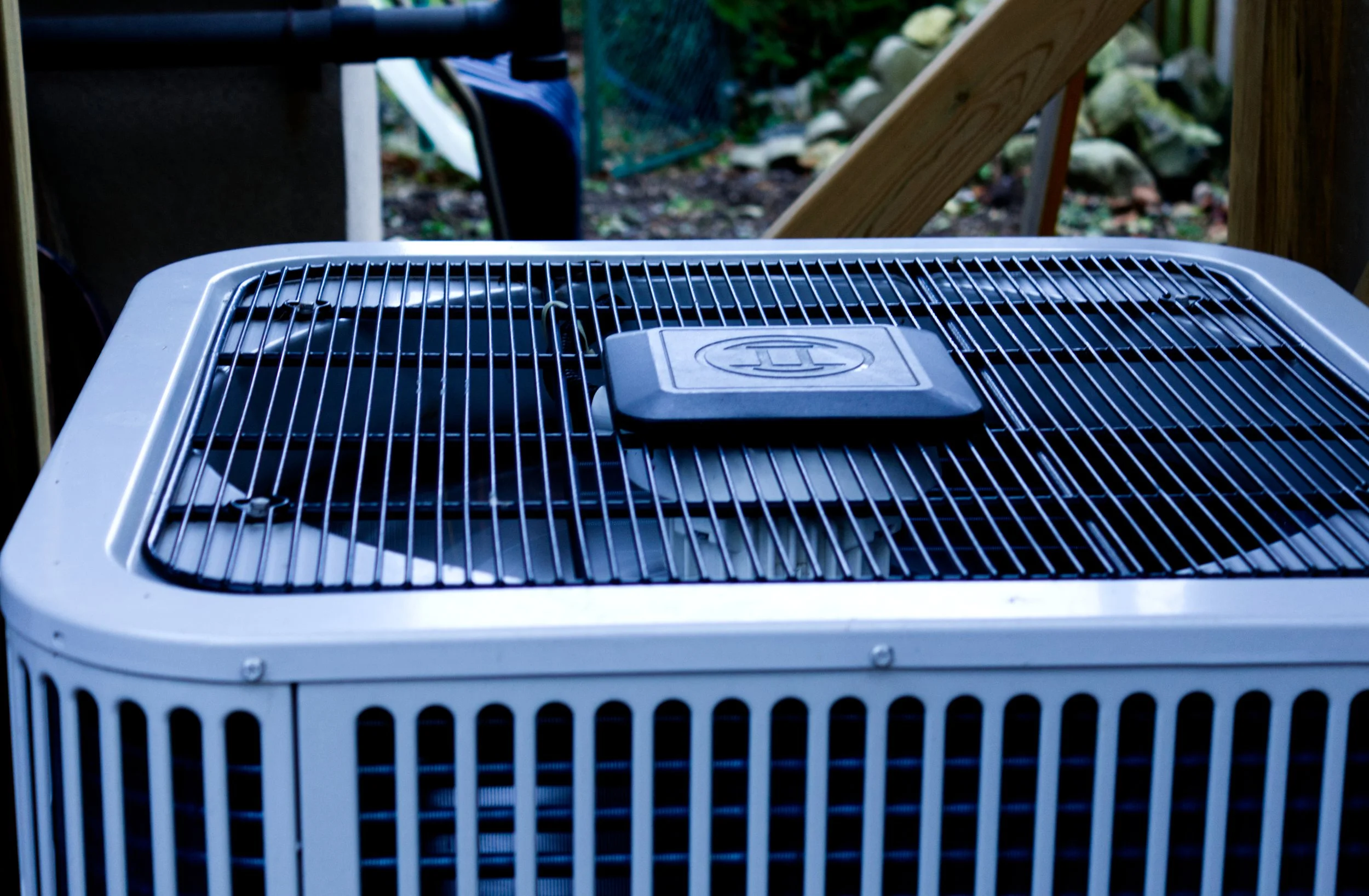
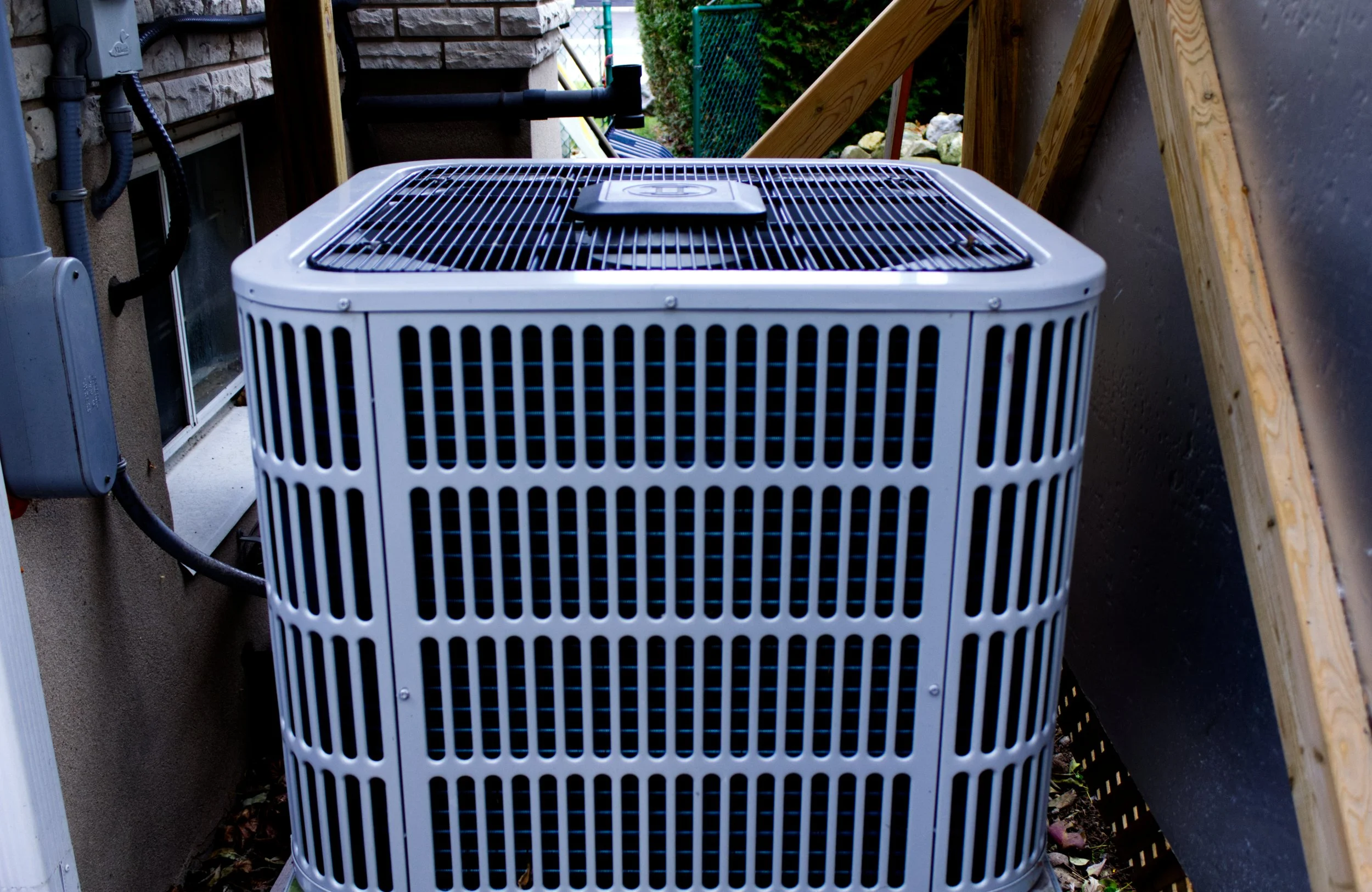
Here's what a Bosch geothermal system actually does
Geothermal heating doesn't burn fuel. It moves heat. Specifically, it pulls heat from the ground beneath your property. This heat, sits at a stable 8 to 10 degrees Celsius year-round in this region, even when it's minus 25 outside, and transfers that heat into your home.
The system has two main components:
The ground loop: where your heat comes from
A series of high-density polyethylene pipes are installed underground, filled with a water-and-antifreeze mixture. As the fluid circulates through the loop, it absorbs heat from the earth, carries it back to the unit inside your home, and then returns to repeat the cycle.
In Kingston and the surrounding area, the most common installation is a vertical bore — two to four holes drilled straight down between 55 and 120 metres, depending on your home's heating load. Our geology here is primarily Ordovician limestone, which is actually excellent for heat exchange. The shallow bedrock that makes gardening in Kingston so frustrating turns out to be a significant advantage for geothermal.
Waterfront properties on Lake Ontario or the St. Lawrence have another option: a lake loop. If your property has water access, this is worth asking about — it can reduce installation costs meaningfully.
The Bosch unit: what goes inside your home
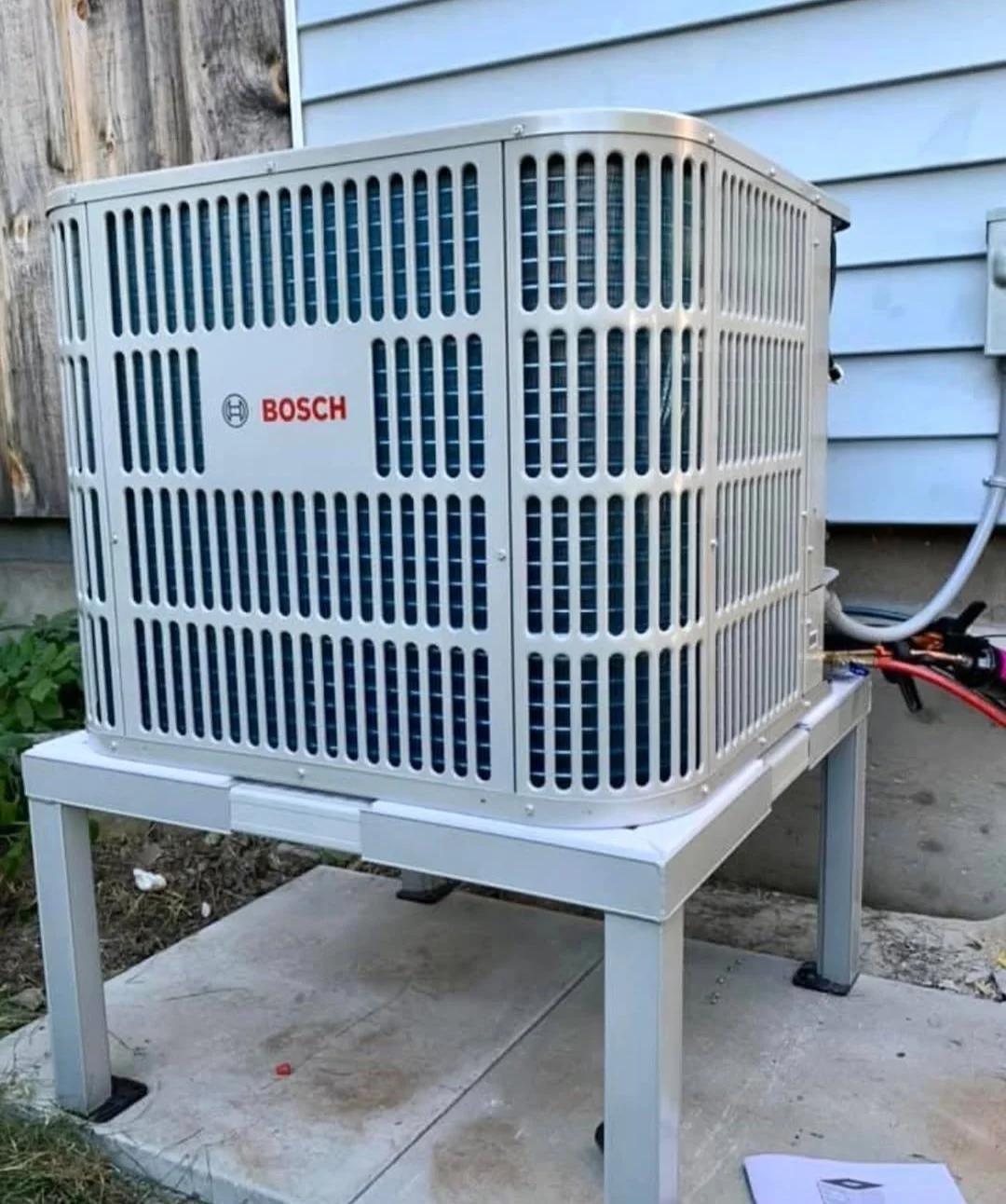
Bosch manufactures its geothermal equipment under the Greensource line, produced in Fort Lauderdale, Florida, to ISO 9001 and 14001 quality standards. ECM installs primarily from the CDi Series, their flagship two-stage system.
Here's what that means in practical terms. A two-stage compressor adjusts its output to exactly what your home needs, rather than running at full power or not at all. On a mild January day in Kingston, when it's minus 8, the system runs at partial capacity and stays efficient. On a night that drops to minus 25, it operates at full load and keeps up. The CDi Series carries a 10-year parts and labour warranty, achieves a Coefficient of Performance (COP) of up to 4.7, and is certified ENERGY STAR Most Efficient. A COP of 4.7 means that for every unit of electricity the system uses, it delivers 4.7 units of heat. A gas furnace, by comparison, converts at a maximum of 0.96 — and that's a high-efficiency model. The system can also be configured to provide roughly 50% of your annual hot water through a desuperheater, which recovers excess heat during the heating cycle. That’s not some additional grant or rebate, it's just heat you were already producing and would otherwise waste.
What it costs: the real numbers, not the sales pitch
The most common complaint we hear from homeowners who've talked to multiple contractors is that nobody wants to give them a straight answer on price. Here's ours. A typical geothermal installation in Kingston runs between $25,000 and $45,000 all in, before rebates. That range is wide because the variables that drive cost are real: your home's heating load, how many boreholes are required, whether your ductwork needs modification, and whether your electrical panel needs an upgrade. The ground loop and drilling is usually the largest single cost: typically $10,000 to $20,000 for a vertical bore installation. The Bosch equipment itself runs $3,500 to $14,000, depending on size and model. If your existing ductwork was sized for a high-temperature gas or oil furnace, it may need adjustment to work efficiently with geothermal, which runs at lower supply-air temperatures and requires higher airflow.
We won't give you a firm number until we've looked at your home. But that range covers the vast majority of Kingston installations we complete, and it's a realistic starting point for your planning.
What does the annual operating cost look like?
A typical 2,000 square foot Kingston home currently running on heating oil pays between $2,500 and $4,000 per year to heat. The same home on a properly sized geothermal system typically pays between $800 and $1,500 per year. Roughly a 50 to 70% reduction in annual heating costs. That difference in operating cost, compounded over a 15-to-25-year system lifespan, is where the economics of geothermal really start to make sense.
What Ontario will pay toward your system
Rebates in this category change more often than any other part of the conversation, so verify current eligibility directly before making decisions — and ask us, because this is something Keith and the team track closely.
As of early 2026, the primary program for geothermal installations is Ontario's Home Renovation Savings (HRS) Program, which offers up to $12,000 for a ground-source heat pump. Eligibility varies by your current heating fuel. Homes on electricity, oil, propane, or wood are covered under one stream; homes on natural gas through Enbridge Gas fall under a different stream. If you're in Kingston on Utilities Kingston for gas service, your eligibility pathway needs direct confirmation. Utilities Kingston operates independently from Enbridge, and the details matter. Homeowners currently on heating oil may qualify for an additional program, the Oil to Heat Pump Affordability Program, which can provide up to $25,000 for income-qualifying households switching from oil to a ground-source system. Eligibility criteria apply.
Our grants and rebates page stays updated as programs change. If you want to know exactly what you qualify for before investing time in quotes, that's the right place to start.
Is geothermal right for your home? The honest answer
Not every home is a good geothermal candidate. Keith has walked away from projects where the numbers didn't support it, and that's the right call for the homeowner. Geothermal makes the most economic sense when you're replacing oil, propane, or electric baseboard heating. The annual savings are large enough that payback periods typically land between 5 and 10 years after rebates. If you're replacing a natural gas furnace in a city neighbourhood with access to Enbridge or Utilities Kingston gas, the payback period stretches to 10 to 20 years. That's still a reasonable lifespan argument, but it's a longer horizon, and some homeowners aren't in a position for that. Your property also needs to support a loop. Vertical bores require a few feet of accessible outdoor space and no major underground obstructions. Most Kingston lots accommodate this without issue, but it's something we confirm during assessment.
Geothermal is not the right answer if you're planning to sell within 5 years, if your home has a significant air sealing or insulation problem that should be addressed first, or if your electrical panel can't support the load without an upgrade you weren't budgeting for. We'll tell you all of this before you sign anything.
What working with ECM looks like
ECM is a Bosch Home Comfort certified installer and an approved contractor under the Ontario Home Renovation Savings Program. Keith has been in the HVAC trade since 2001 and holds a CEM designation from the Association of Energy Engineers. We've installed more heat pumps than any other contractor recognized by Sustainable Kingston, and geothermal makes up a meaningful part of that work. Our process for geothermal starts with a thorough assessment of your home: current heating load, existing system, ductwork condition, property layout, and utility setup. We give you an honest recommendation, geothermal if it fits, something else if it doesn't, and a clear breakdown of costs and rebates before you commit to anything.
Our heat pump services page covers the full range of systems we install, including both air-source and ground-source options, if you want to compare approaches before talking to us.
If you're ready to get a real number for your home, contact Keith and the team for a free assessment. There's no pressure, no sales pitch — just an honest look at whether geothermal makes sense for your situation.
Rebate amounts and program eligibility verified March 2026. Government programs change. Verify current eligibility before installation.