
Heat Pump vs. Central Air Conditioning
What Kingston Homeowners Should Know This Summer
A lot of Kingston-area homeowners are facing the same decision right now. The furnace is getting old, the central AC isn't far behind, and summer is a few months away. You're trying to figure out whether to replace just the AC or step back and think about the whole heating and cooling picture at once. The question we get most often: Should I get a heat pump, or just replace the AC? In this blog, we are going to help you find the answer to that question, based on what we've seen installing systems across Kingston, Loyalist Township, Gananoque, and rural Eastern Ontario over the past two decades.
Does a heat pump actually cool as well as a central AC?
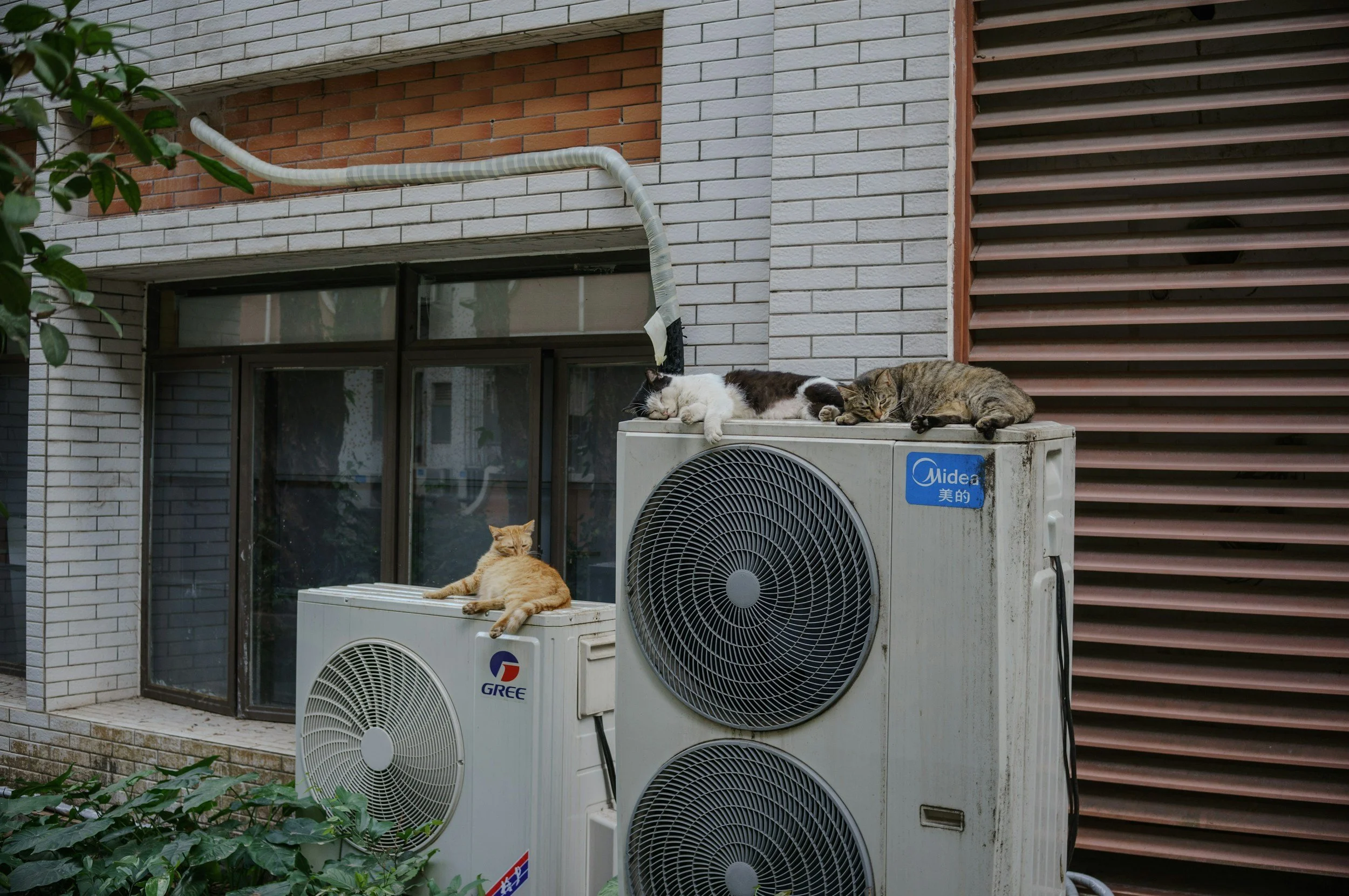
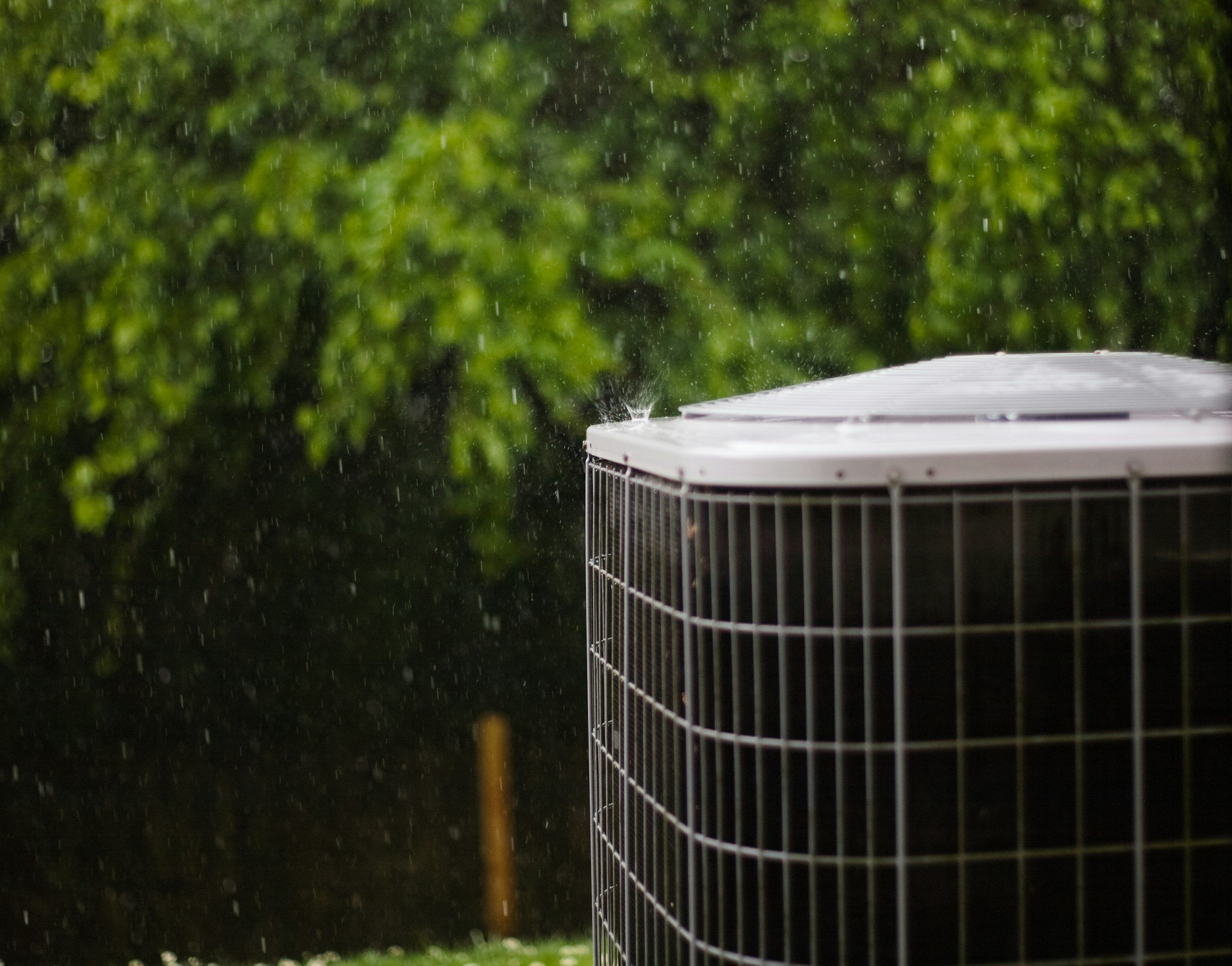
Yes. In cooling mode, a heat pump works using the exact same process as a central air conditioner. Both circulate refrigerant through a cycle that absorbs heat from the air inside your home and releases it outside. The air blows over a cold coil, the heat transfers to the refrigerant, and cooler, drier air returns to your living space. The only hardware difference between a heat pump and a dedicated AC is a reversing valve inside the outdoor unit. That valve is what allows the heat pump to also work in heating mode by running the refrigerant cycle in reverse, pulling heat from the outdoor air and moving it inside. In cooling mode, the valve is in the same position as a standard AC, and the system performs identically. This is worth saying clearly because there's a common misconception that heat pumps are primarily heating systems that also cool. They are both equally, and the heat pump installation services we offer replace both your furnace and your AC with a single system.
How does a heat pump perform in a Kingston summer?

Kingston summers are warm, not brutal. July and August average highs of around 25°C, with humidity that can make it feel stickier than the thermometer suggests. During heat waves, we do see days pushing 33–35°C with humidex values in the low 40s. That's uncomfortable, but it's also well within the operating range of any modern heat pump. The cold-climate units we install from Bosch and Mitsubishi are designed for Eastern Ontario winters, which means their cooling specs are not a concern. A Mitsubishi Hyper-Heating system rated for -30°C operation in January performs at its full rated cooling efficiency on a 30°C day in July. Cold-climate engineering enhances the heating side of the system. It does not affect cooling performance. For homes with existing ductwork, a ducted inverter heat pump also tends to handle Kingston's summer humidity better than a standard single-stage AC, because variable-speed compressors run longer at lower output, keeping the coil cold enough to pull more moisture out of the air consistently.
The comparison is about what you heat with
This is where the heat pump vs. central AC conversation becomes genuinely important — and where the answer looks very different depending on your current heating setup.
If you're on oil or propane
This is the situation where the numbers speak for themselves.
A typical rural Eastern Ontario home heating with propane spends roughly $2,700–$5,500 per year on fuel, depending on the size of the home and how cold the winter runs. An oil-heated home is in a similar range, often higher. We've seen heating bills well above $6,000 in colder years for larger homes on acreage.
A cold-climate heat pump on standard Ontario electricity rates can typically heat that same home for $800–$1,500 per year. That's a savings of $1,500–$4,000 annually, sometimes more. The system pays for itself in operating savings alone, often within three to five years — before you account for rebates, which we'll cover in a moment.
There's another practical reality for rural homes: you get one system instead of two. No separate furnace to service, no separate AC to maintain, no oil tank to fill. We've noticed over the years that homeowners on acreage in Loyalist Township and the Gananoque area appreciate having one reliable system they understand, rather than two aging pieces of equipment they're constantly patching.
If you're on oil or propane and your existing system is more than 12 years old, replacing it with a heat pump is the single best home investment available to you right now in Eastern Ontario. The math doesn't require a calculator.
If you're on natural gas
The case for switching to a heat pump is more nuanced on natural gas, and we’d rather be honest about that than oversell it.
The federal carbon charge was removed from natural gas bills in April 2025, which narrowed the operating cost gap between a gas furnace and a heat pump. On standard tiered electricity rates, you're not going to see the dramatic fuel-cost savings that oil and propane homeowners see.
That said, there are two scenarios where a heat pump still makes strong financial sense for gas-connected homes. The first is when your furnace and AC both need replacing at the same time. A heat pump replaces both systems, and the incremental cost over buying a new furnace and AC separately is typically $500–$1,500. Over the lifetime of the equipment, independent analysis by the Canadian Climate Institute puts the total cost of a heat pump about 13% lower than the combination of a gas furnace and separate AC. The second scenario is a dual-fuel setup: a heat pump handles your heating and cooling for most of the year, with your existing gas furnace providing backup during the coldest stretches. You keep the gas furnace you already have and add the heat pump where it runs efficiently — about 80–90% of heating hours in a Southern Ontario climate. That approach typically saves $300–$800 per year on heating with a very modest upfront premium.
What rebates are available right now?


The Ontario Home Renovation Savings (HRS) Program is currently the main active rebate for heat pump installation. For homes currently heated with electricity, oil, propane, or wood, the program offers up to $7,500 for an air-source heat pump and up to $12,000 for a ground-source (geothermal) system. For homes on natural gas, the rebate is lower — up to $2,000 for an air-source unit. A few things to know before you start: the heat pump must be on NRCan's Cold Climate Qualified Products List, your installation must be done by a participating registered contractor, and critically, pre-approval is required before the installation begins. Starting the job without approval means the rebate is forfeited. If this is something you're thinking about pursuing and want some support getting that pre-approval, reach out to our Kingston Heat Pumps team for free support and guidance.
Oil-heated homes have additional options. The federal Oil to Heat Pump Affordability Program is still accepting applications in Ontario, though funding is limited and availability can change. If you're on oil, this is not a program to sit on. It can provide up to $10,000 toward the cost of switching from oil to a heat pump. Stacked with the HRS rebate, eligible homeowners can see combined incentives of $17,000 or more, which in many cases covers the entire installation cost.
As a certified registered HRS contractor, we handle the pre-approval process and paperwork for you. Use our eligibility checker to get a quick read on what you likely qualify for, or browse the full list of available rebates and programs on our website. Not sure where to start? Give Keith and the team a call at 613-453-6248, and we'll walk you through it.
Something to note: Utilities Kingston is a municipal utility, not Enbridge or Hydro One, which means the eligibility pathway for the HRS program can work a little differently for some local homeowners. Rather than sending you to a government website to sort it out, use the eligibility checker above or call us directly. We know how this works for Kingston-area customers and can confirm your situation quickly.
When a heat pump doesn't make financial sense
Not every home is the right fit right now, and I'd rather tell you that up front than have you make a decision that doesn't pencil out.
A heat pump upgrade is harder to justify financially if your gas furnace is less than 8–10 years old and running well. You have significant useful life remaining on that equipment, and the modest operating savings from switching off gas don't recover the cost quickly enough to make sense. The better move in that case is to simply replace the aging AC and revisit the full-system upgrade when the furnace reaches the end of life.
Poor insulation is another red flag. A high-efficiency heat pump in a drafty house loses that efficiency to air leakage. If your walls and attic are under-insulated, addressing that first will do more for your comfort and energy bills than swapping the heating system. We can point you toward the right assessment.
If you're planning to sell the property within the next two to three years, the payback timeline on a full heat pump install may not align with your plans, depending on your heating fuel. That said, if you're on oil or propane and the numbers are compelling, the math might still work even over a shorter horizon.
The next step depends on your situation
If you're on oil or propane and your heating system is more than 12 years old, we'd encourage you to look at the rebates available to you before making any other decision about your home heating. The programs available right now in Ontario are the most generous they've ever been, and they won't be around forever. See what's currently available and start your application.
If you're on natural gas and comparing your next AC replacement to a heat pump, the honest answer is that either can be the right choice depending on your equipment age, your plans for the property, and your appetite for a dual-fuel setup. Explore our heat pump installation services in Kingston and Eastern Ontario, or give Keith and the team a call at 613-453-6248. We'll give you a straight answer based on what we actually see at your home, not a sales pitch.
Get in touch with us here, and we'll set up a time to talk through your options.