
A guide for Kingston Area Homes
December's here, your furnace is running 24/7, and you just realized you have no idea what filter size fits. Don't panic. It takes 90 seconds to figure out. Finding the right furnace filter seems like it should be straightforward. You'd think the size printed on the box would match your furnace, right? Oftentimes, homeowners find out after they've purchased that it doesn't. That's where most people get stuck. But once you understand why, the whole thing becomes dead simple.
Why Your Filter Size Probably Isn't What You Think It Is
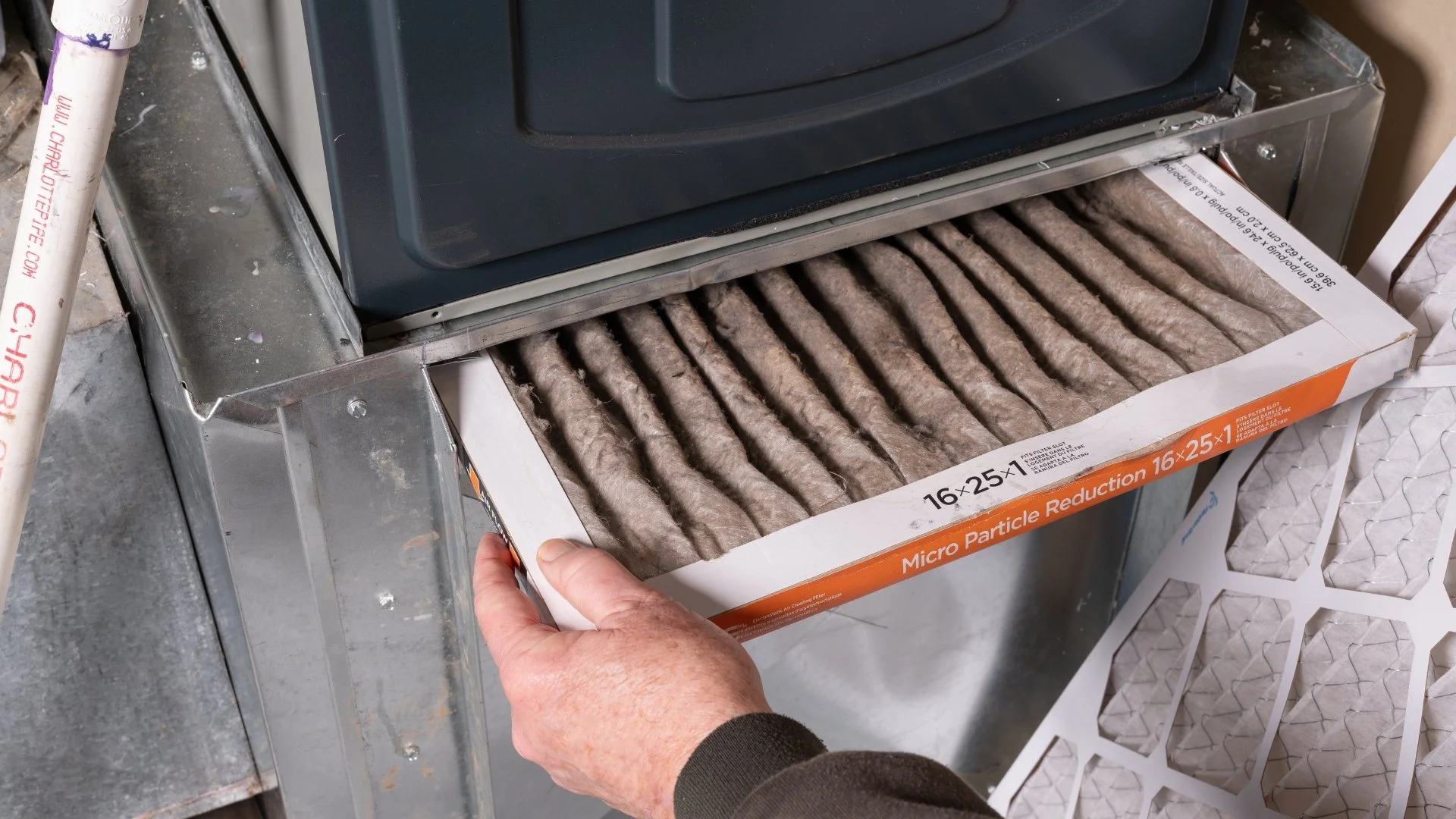
Furnace filter sizing is based on nominal dimensions, not actual measurements. That 16x25x1 filter you're looking at? It's not actually 16 inches by 25 inches by 1 inch. It's closer to 15.5 x 24.5 x 0.75 inches.
Back in the 1950s and 1960s, manufacturers standardized filter sizing using nominal (rounded) measurements to make production simpler. The actual filters needed to be slightly smaller to fit properly into furnace frames, so they started manufacturing them about half an inch smaller on each dimension. By the time anyone realized the confusion this created, the naming convention was already an industry standard and stuck around for decades. The three numbers you see printed on every filter represent width, height, and thickness in that order. But those numbers have stayed the same, even though actual manufacturing has evolved. When you see "16x25x1," contractors and HVAC technicians instantly know what you mean, but a homeowner walking into a big-box store sees that number and expects to find a filter that's exactly 16 by 25 by 1 inch.
Thicker filters (the third number) have changed over time too. The old standard was 1-inch filters, common in homes built through the 1980s. Then 4-inch and 5-inch filters became popular for higher-efficiency systems starting in the 1990s. Now you've got 1-inch, 2-inch, 4-inch, and even 6-inch options depending on your furnace type. Each thickness rating impacts how often you need to change your filter and how much your furnace has to work to pull air through it. This all means that the size printed on the box is the industry standard name, not a measurement you can take with a ruler. That's why Step 3 (measuring your actual furnace slot) is so important.
Why Kingston Homes Aren't All the Same

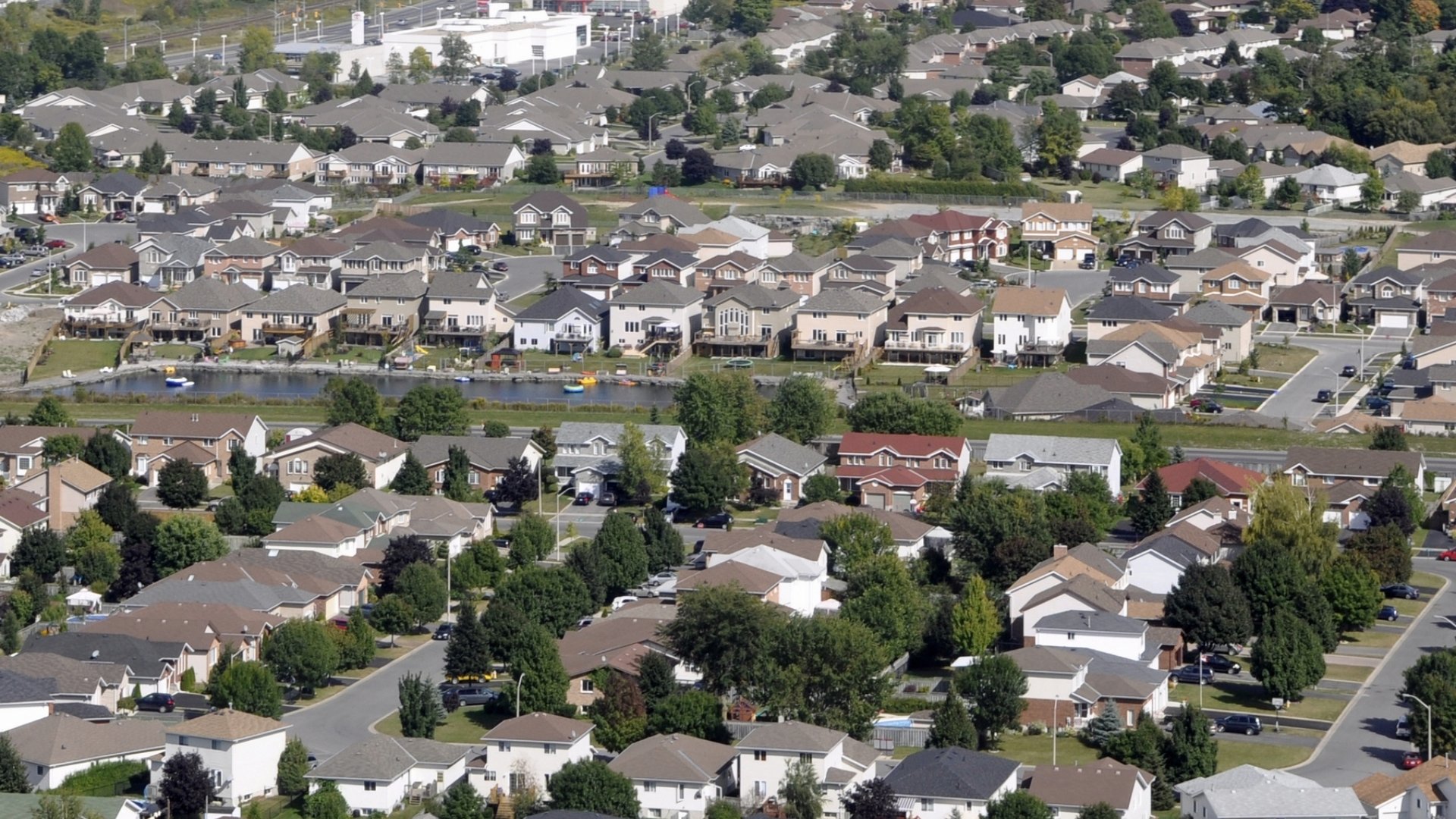

Kingston's housing stock tells a story, and that story shows up in your basement furnace. If you're living in a Victorian or early 1900s home in downtown Kingston or the surrounding Loyalist Township area, your house was probably heated with a wood stove or coal furnace initially. When furnaces first got retrofitted into these older homes in the mid-20th century, contractors had to work with whatever space was available, often creating custom-fitted heating systems that don't match modern standardization.
Then came the 1950s and 1960s building boom. Kingston expanded outward with suburban neighbourhoods, and builders started installing furnaces according to the new industry standards we just talked about. Most of those homes used 16x25x1 or 20x25x1 filters and haven't changed much since. If you grew up in a Kingston-area home built in that era, this is likely what you've got in your furnace right now. The 1980s and 1990s brought another shift. Energy costs climbed, building codes changed, and builders started installing higher-efficiency furnaces with thicker filters (4-inch and 5-inch options) and better filtration. These systems are more complex and require the right filter size to operate properly. This is when you started seeing more variation, even within neighbourhoods. One house on the street might have a standard 1-inch filter setup, while the new renovation three doors down has a high-efficiency system with a 5-inch filter.
Today, Kingston homes built after 2000 are increasingly moving toward high-efficiency systems, heat pumps, and custom installations. Some newer homes in the Greater Kingston region don't use traditional furnaces at all anymore. Meanwhile, you've still got plenty of homes across Belleville, Gananoque, and Loyalist Township that are 40, 50, even 60+ years old and running on the original or replacement furnaces from decades ago. This is why even neighbours on the same street might have different filter sizes. It's the history of how Kingston has grown and how home heating technology evolved alongside that growth. Eastern Ontario winters mean your furnace runs hard for months, so getting this right matters. The correct filter keeps your home heating system running efficiently when you need it most.
How to Find Your Filter Size in 3 Steps
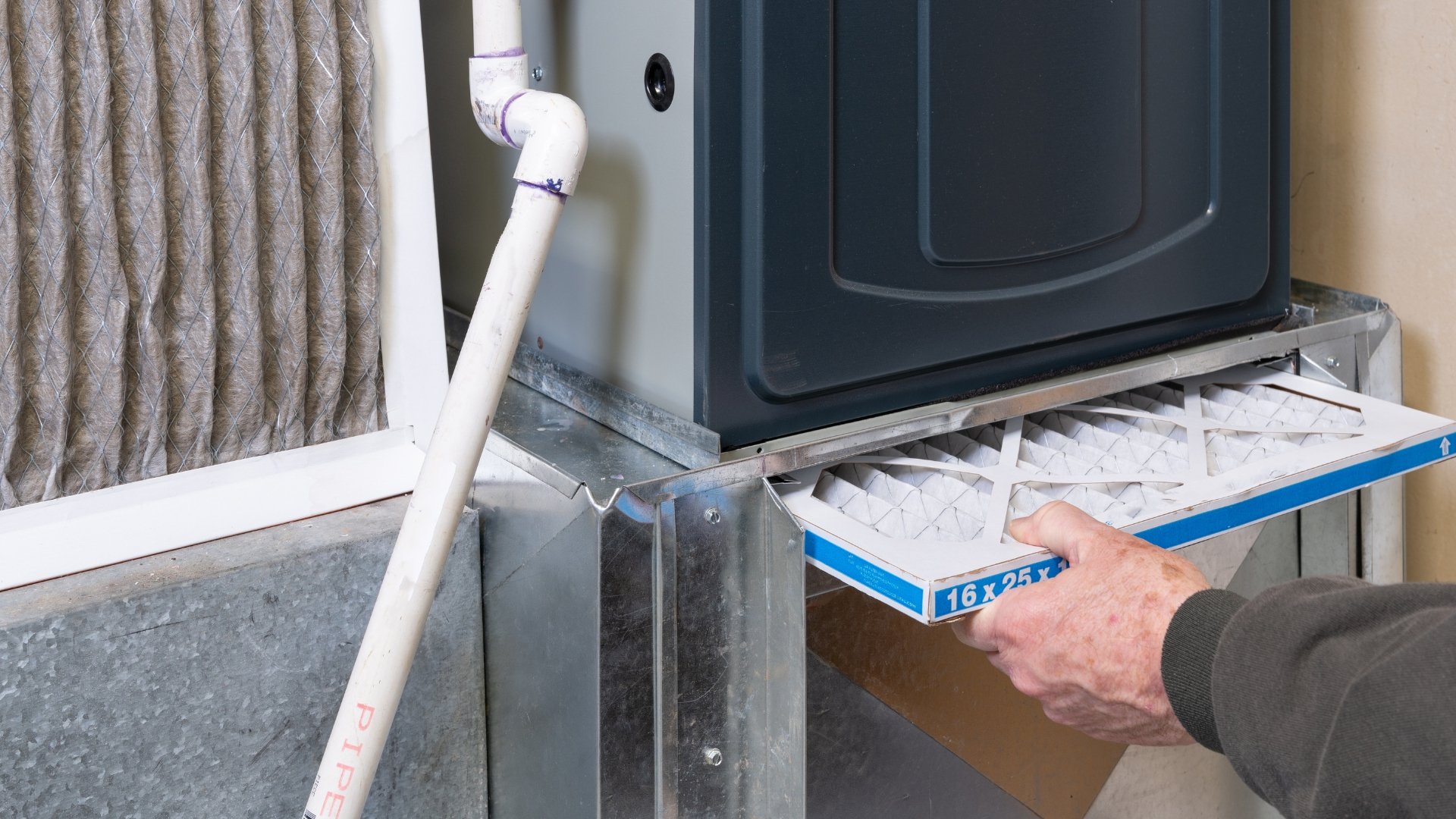
Step 1: Remove Your Current Filter
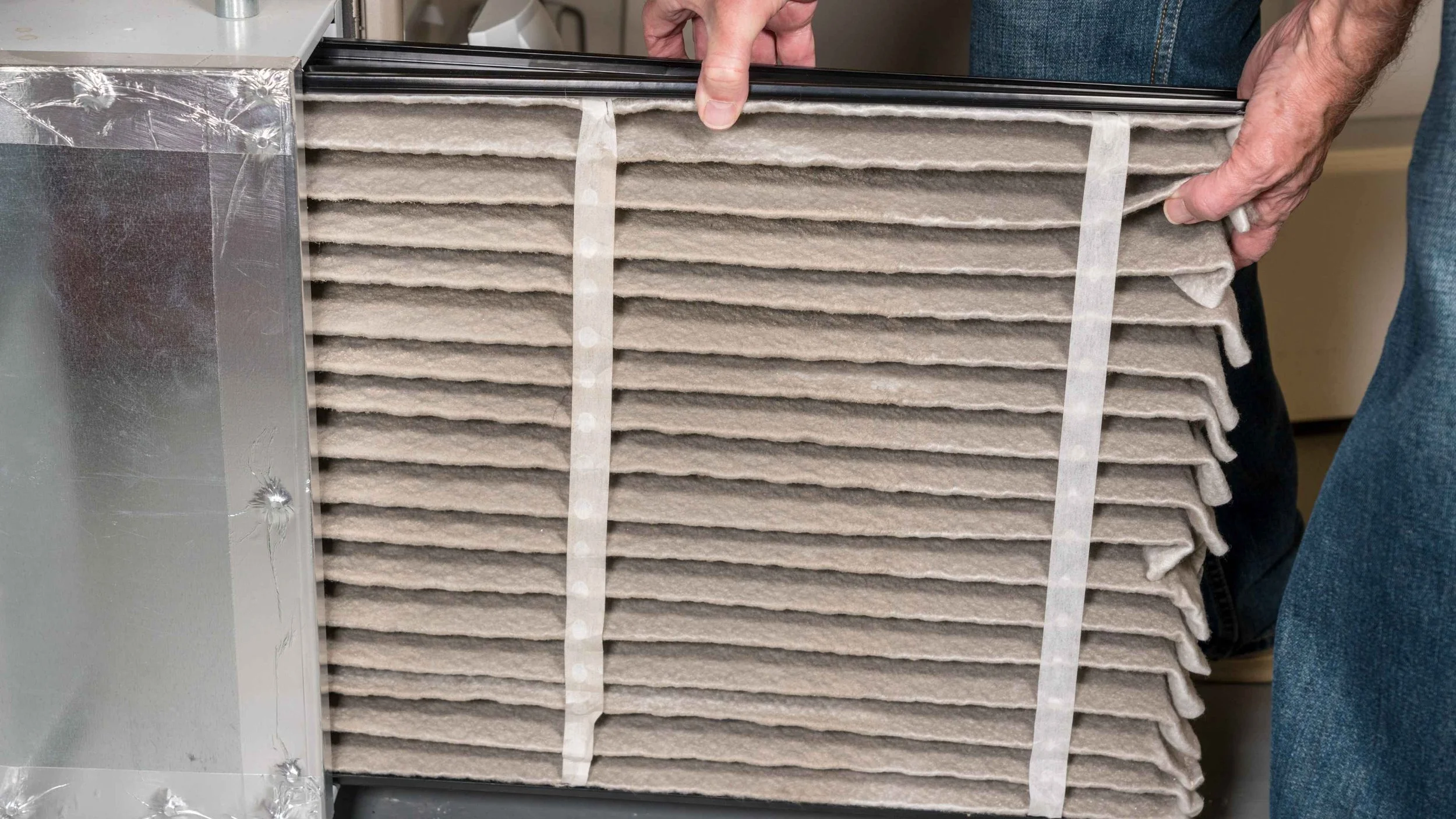
Open your furnace cabinet, usually in a basement or utility room. Look for a large flat rectangular frame sitting in the intake slot. That's your filter. Carefully slide it out. You might find dust, so don't be surprised.
Step 2: Read the Frame
Look at the edge of the filter frame. You'll see three numbers printed there, something like "16x25x1" or "20x25x4". These represent:
First number: Width
Second number: Height
Third number: Thickness
Write these numbers down. This is your furnace filter size chart starting point. Don't buy yet.
Step 3: Measure Your Furnace Slot
Most people skip the verification step and just buy based on what they saw in Step 2. Take a ruler and measure the actual opening where the filter sits. Measure width, height, and depth of the slot itself, not the filter frame.
Common furnace filter sizes in Eastern Ontario are 16x25x1, 20x25x1, 16x20x1, and 20x25x4. If your measurements match one of these, you're set. If you're getting odd dimensions, jot them down and take a photo of the slot. You now know exactly what size furnace filter you need for your home.
What Type of Filter Should You Buy?
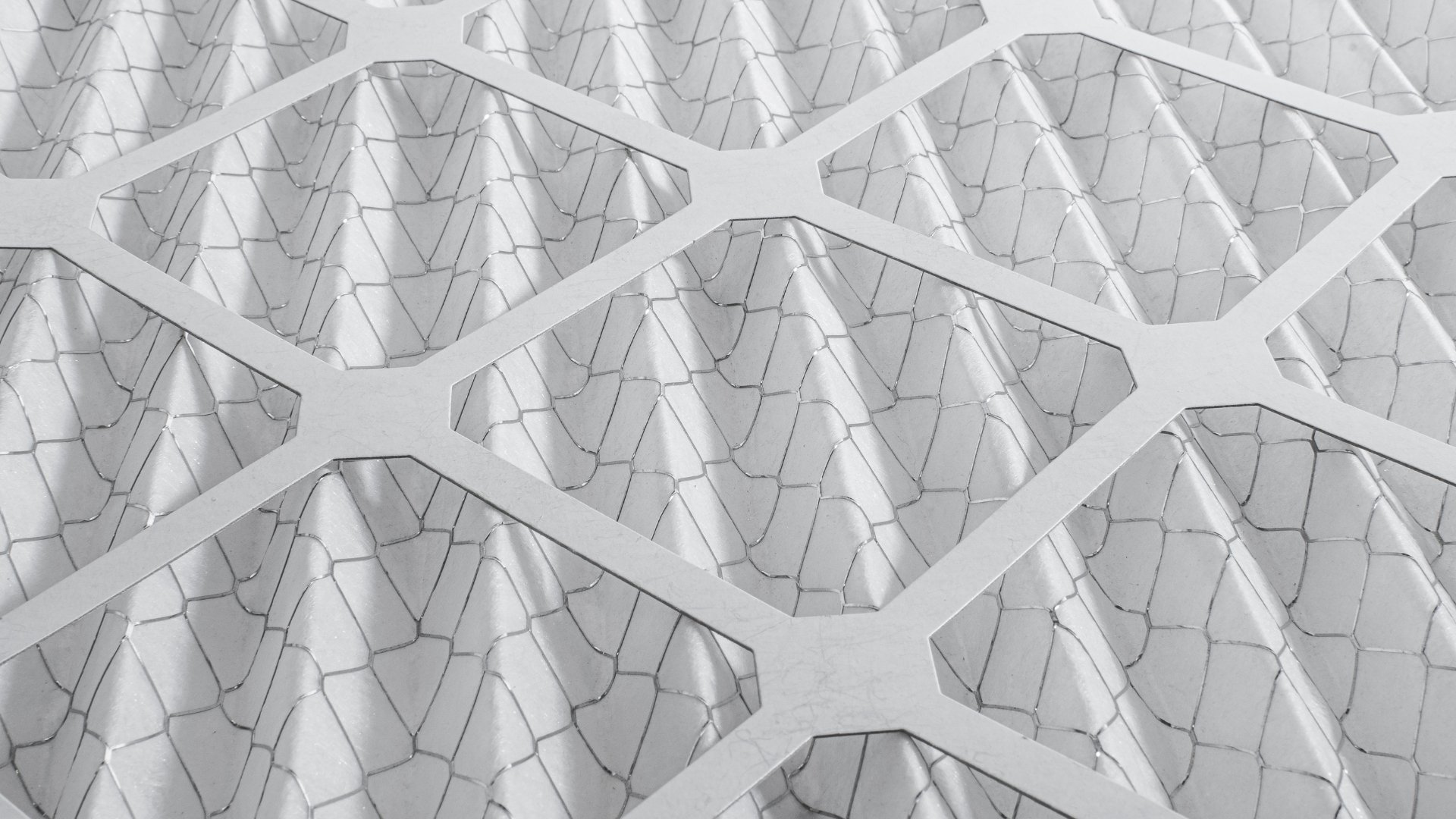
Now that you know your size, decide between basic, pleated, or high-efficiency. Basic (fibreglass) filters are cheap at $5 to $10 and do the job. They trap dust and debris. They work fine if you're on a tight budget. Pleated filters cost more at $15 to $30 but last longer and catch smaller particles, which keeps your home heating system cleaner and running more efficiently. Most homeowners in our area go this route. High-efficiency filters are the premium option and filter even finer particles. They're pricier but can extend your furnace's lifespan.
The difference between them gets into filtration ratings (MERV scores) and efficiency trade-offs. If you want the full breakdown on how to choose the best furnace filter for your specific situation, we've got a deeper dive on furnace filter types and what actually matters. If you're unsure, pleated is the sweet spot for most Kingston-area homes.
Where to Find Your Size in Kingston
Once you have your size, you've got options.
Big-box stores like Canadian Tire and Home Depot in Kingston usually stock the most common sizes (16x25x1, 20x25x1). You can grab one same day.
Online options work great for non-standard sizes or if you want to buy in bulk. Many people stock up before the heavy Eastern Ontario winter months hit.
Can't find your exact size anywhere? Give us a call. Keith and the team can help you track down the right filter and get you sorted fast.
Get Your Filter, Keep Your System Running
You've got your size. You know what type to look for. Now go buy it and swap it out. Your furnace will thank you, and your heating bills might too. Still stuck? We're here. Call us and let's get you the right furnace filters for your Kingston home in 90 seconds.