
How you can winterize your home & protect your HVAC system
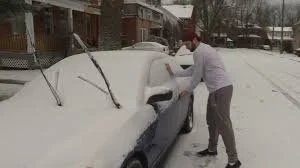
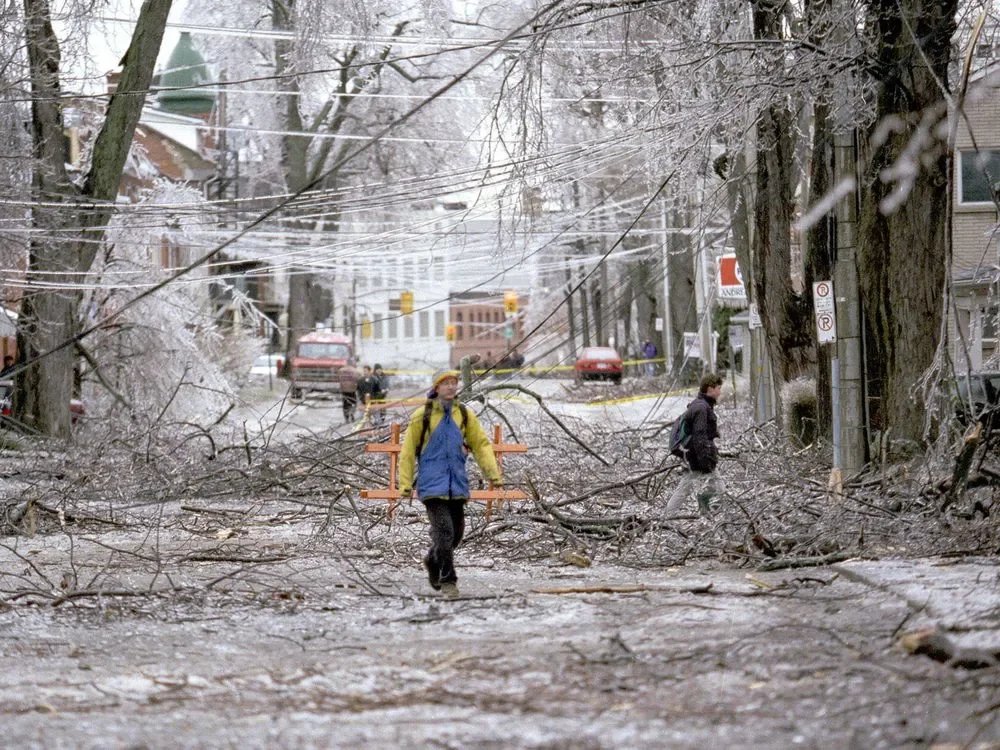
A high-impact winter storm hit southern Ontario with widespread heavy snowfall and gusty winds. Kingston and Eastern Ontario homeowners know what that means: your furnace or heat pump have been working overtime and the home still feels cold. Many people blame their heating system when the real problem isn't the furnace or heat pump, it's the home itself. Drafty windows, air leaks around doors, and poor insulation force your HVAC system to work two, three, or even four times harder than it should. During a major storm, that's when the problems show up.
The good news? Winterization and air sealing aren't just nice-to-haves. They're essential to keeping your home warm, comfortable, and safe when the snow piles up.
Why Your Home's Building Envelope Matters More Than You Think
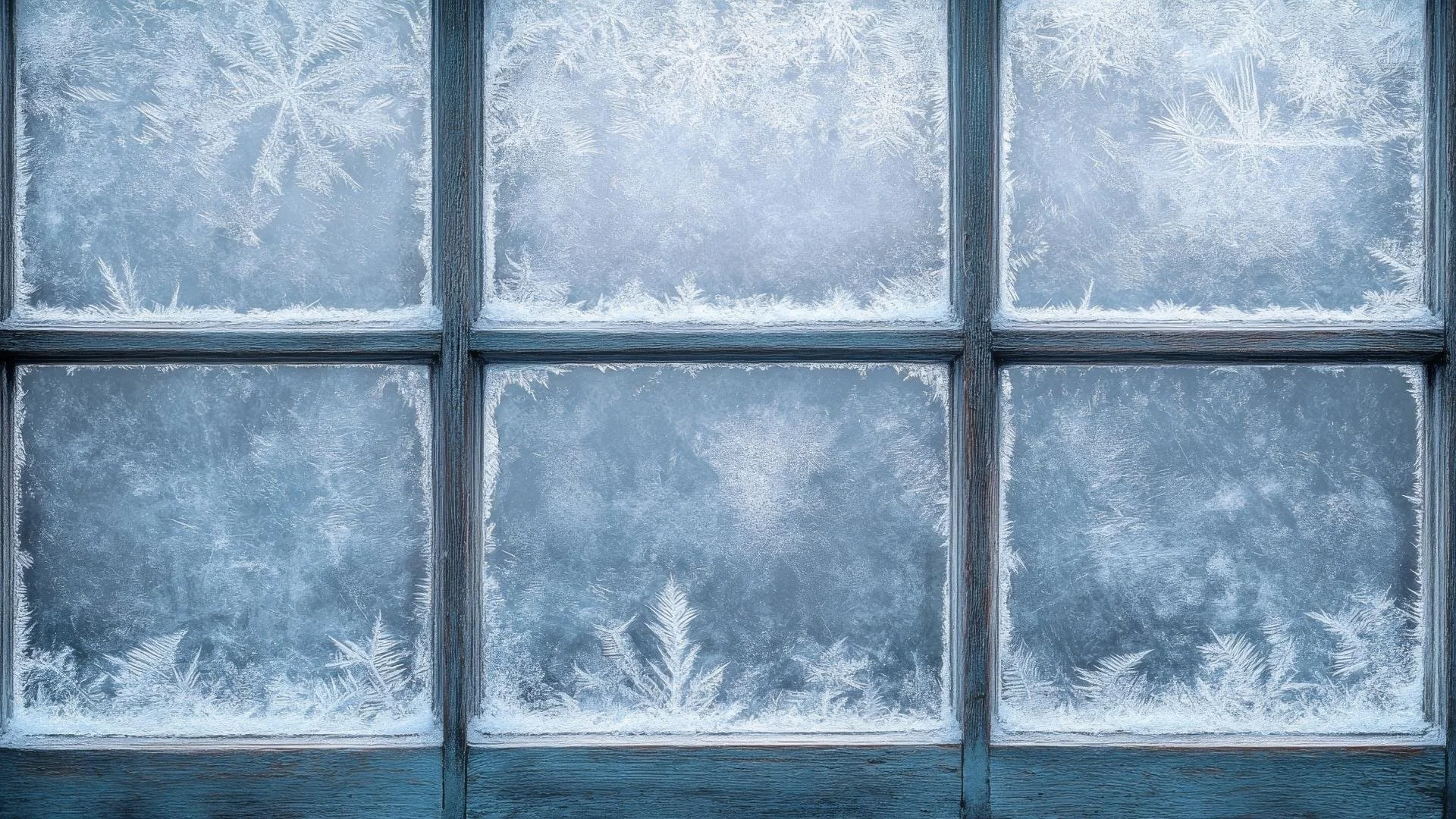
When we get storms like this, your heating system needs backup. That backup is called your home's envelope. The envelope is the walls, windows, doors, and insulation that keep heat in and cold out. If the building envelope isn't weatherized, the air that leaks out of your home will waste about 25-40% of the energy used for heating. That's like running your furnace at full blast, but one-third of that warmth just evaporates through cracks around your basement, gaps around windows, or holes where plumbing penetrates walls. Without proper insulation and air sealing in key areas of your home, you will be constantly losing heat in winter, making it impossible for your HVAC system to work efficiently, which makes your house uncomfortable and drives up your energy bills.
Air Sealing + Weatherization: What They Actually Do
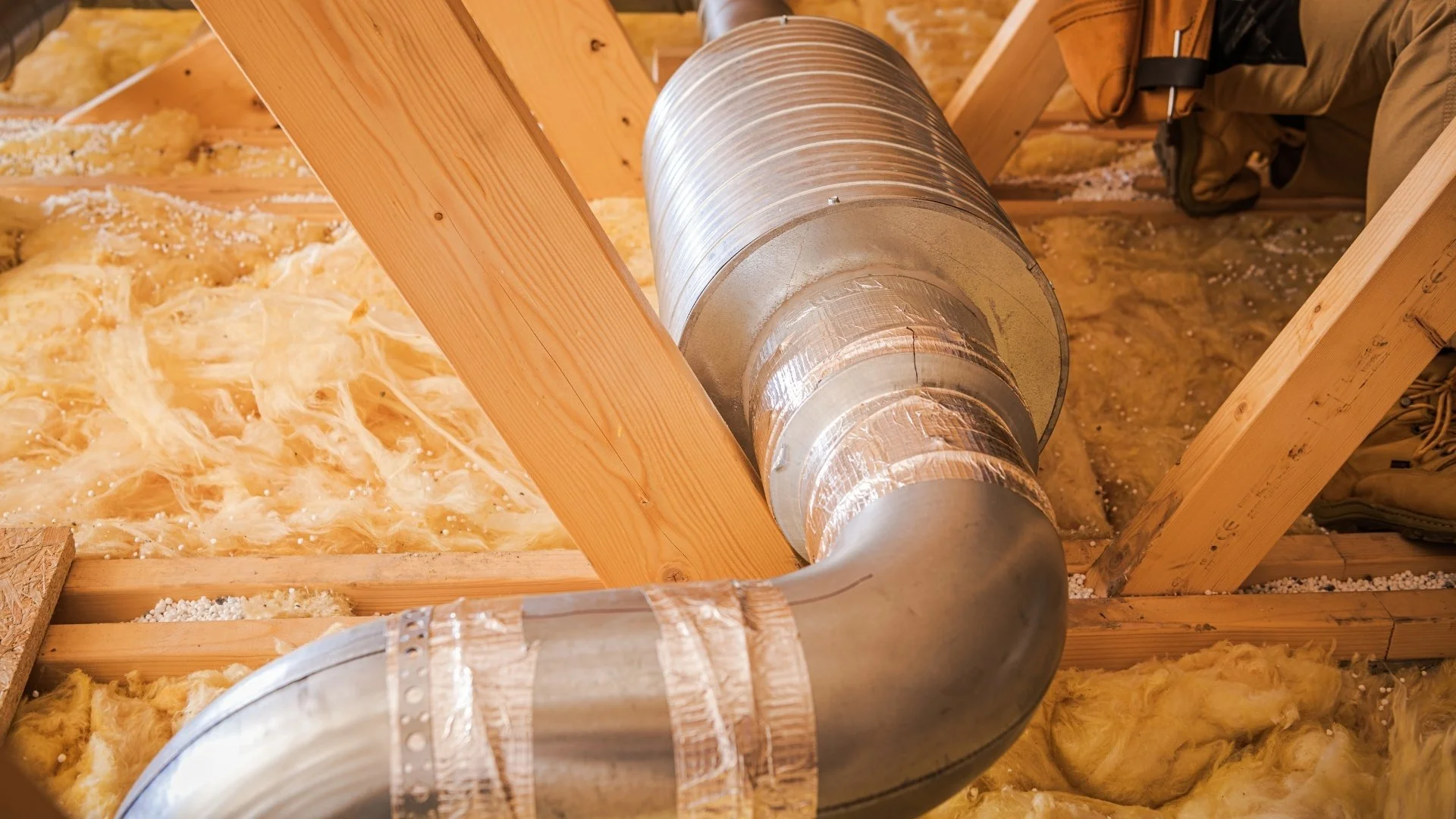
Winterization isn't about covering your windows with plastic. It's about targeting the leaks that pull conditioned air out of your home and let cold air in. You might have heard that air sealing refers to closing unintended gaps, cracks, and openings in a building's exterior around doors, windows, attics, basements, plumbing, and wiring penetrations. Common spots include:
Basement walls and rim joists (where the foundation meets the sill plate)
Attic hatch and pull-down stairs
Gaps around door and window frames
Penetrations for wiring, plumbing, and HVAC ducts
Edges of insulation (which can compress over time)
According to the U.S. Department of Energy, air sealing can reduce a home's heating and cooling costs by up to 20% annually, and heating and cooling typically account for nearly half of a home's energy use. One study found that after professional air sealing using spray foam and caulk, leakage was reduced by 35%, leading to an estimated $450/year in heating cost savings. The takeaway: Your furnace or heat pump doesn't need to work twice as hard. Your home needs to stop leaking.
How This Helps Your HVAC System Survive Winter
When your home is properly sealed and insulated, your heating system can focus on maintaining temperature instead of fighting constant heat loss.
Because heat rises, an under-insulated attic allows warm air to escape in winter, making your heating system work harder. Insulating your attic will keep your house warmer in the winter, reducing the burden on your HVAC system.
Forced-air heating and cooling systems lose about 20-30% of the air that moves through their ductwork due to leaks. Since most duct systems are difficult to access behind walls and underneath floorboards, working with an HVAC contractor to seal HVAC ducts is recommended.
In practical terms: If you've sealed your home's envelope, your furnace runs less, which means:
Your heating bills drop
Your system stays more reliable (less stress = fewer breakdowns)
Your home stays warmer more evenly
You have backup—if the temperature drops to extremes, your system has room to respond
This is why we recommend air sealing alongside a furnace or heat pump upgrade. One without the other is like wearing a winter coat with holes in it.
Heat Pumps in Heavy Snow: What You Need to Know
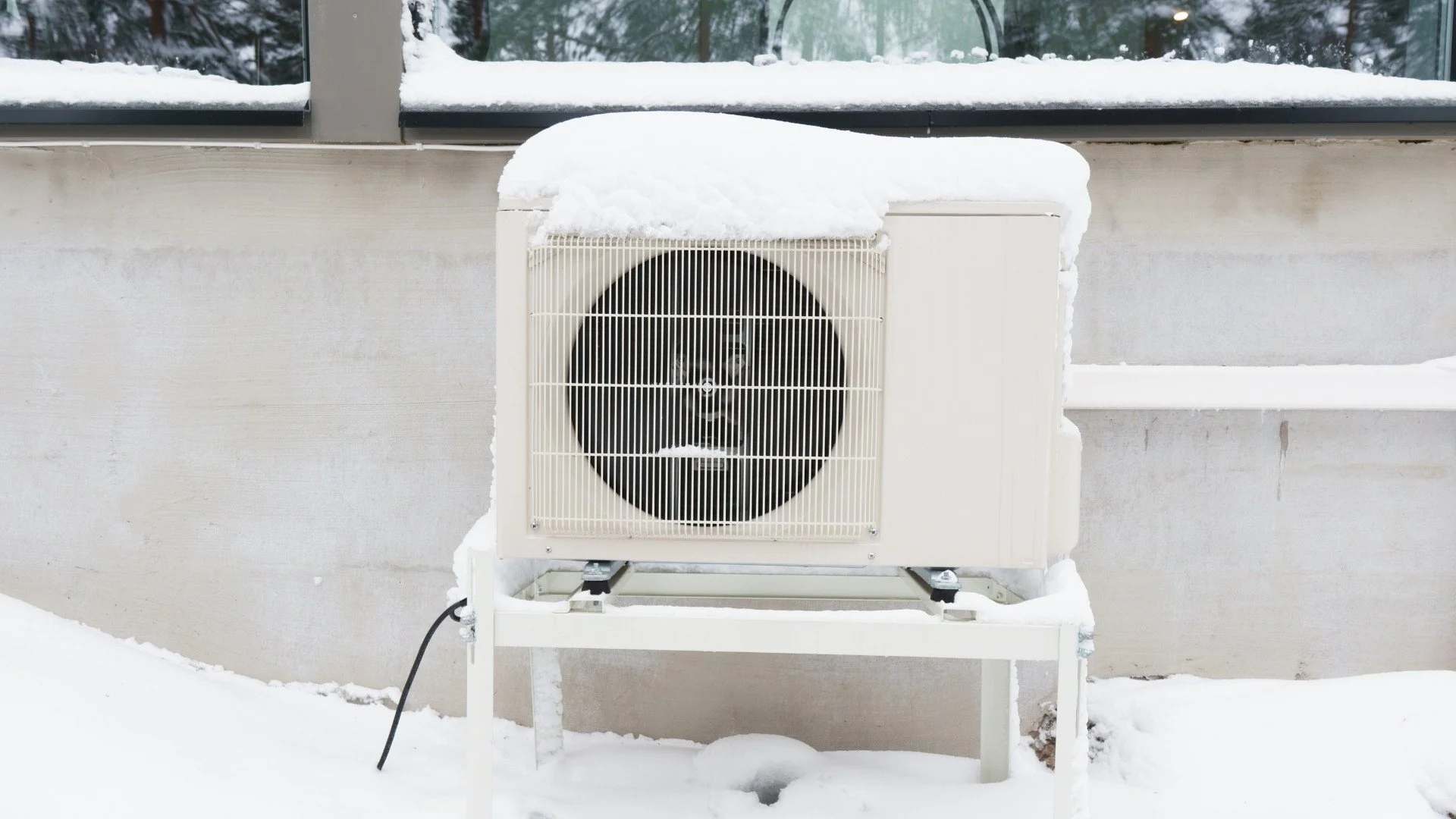
Snow and ice can significantly impact your heat pump's efficiency. When these elements accumulate around the unit, they obstruct the airflow, forcing the heat pump to work even harder. Here's what to do after a major snowfall:
Immediate steps:
Remove debris and maintain a two-foot clearance around and above the unit
To melt ice, use a hose or warm water. Don't use boiling water and don't melt ice when the outside temperature is below freezing
Don't stack snow against the unit or lean on it while clearing
Don't worry about defrost cycles:
Heat pumps are manufactured to deal with an average amount of ice buildup by using its automatic defrost system. This 15-minute cycle works by returning the hot refrigerant back to the outdoor heat pump to melt the ice and snow. You may notice cool air coming out of your vents while the unit is going through its defrost cycle—this is normal.
Warning sign:
If the snow stays frozen for over three hours, it's a sign to call a professional to avoid further damage.
The Critical Safety Check: Furnace Exhaust Vents in Heavy Snow
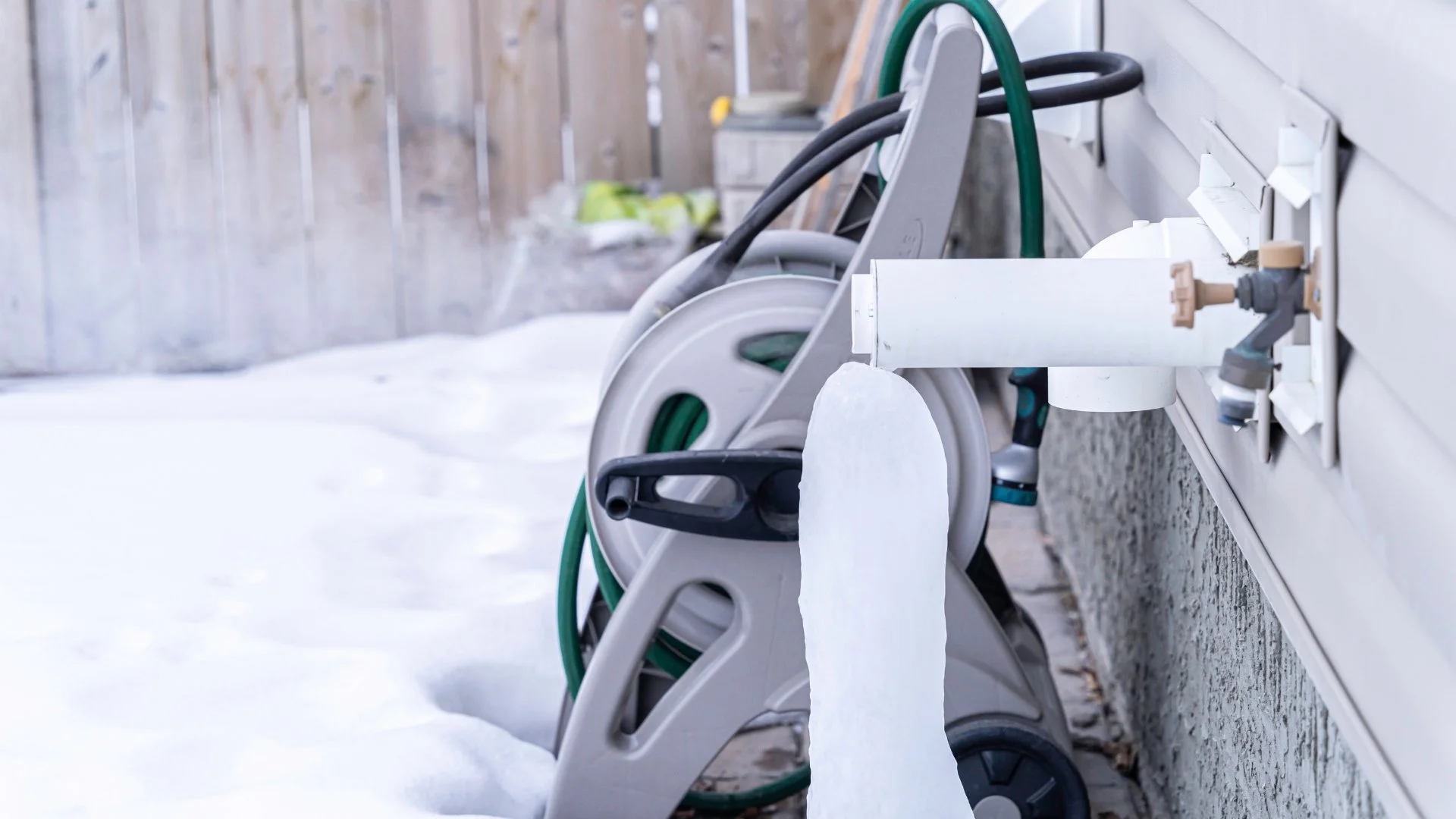
This is the one most people miss, and it's serious. The intake vent brings in fresh air for combustion, while the exhaust vent safely removes carbon monoxide and other harmful gases from your home. If either vent becomes blocked, pressure can build inside the system, combustion can become incomplete, and dangerous gases may back up into your living space instead of venting outdoors. On average, fifty people a year die in Ontario unnecessarily from Carbon Monoxide poisoning.
After every major snowfall, check these spots:
Locate both the intake and exhaust pipes outside your home. They are typically near the foundation wall or on a lower side wall
Use a plastic shovel or a soft broom to remove snow gently. You should clear a 2- to 3-foot radius around each vent
If ice has formed over the opening, avoid breaking it with tools, as this can crack the vent or shift it out of place. You can use warm water to safely loosen the ice
Signs your vents might be blocked:
Your furnace shuts off unexpectedly
You smell faint combustion odours near the furnace
Unusual sounds from the blower
Inconsistent heating throughout your home
If you see any of these signs, turn off your furnace and contact ECM immediately.
Your Winter Storm Prep Checklist
Before the next big storm:
✓ Schedule a fall furnace tune-up (or spring pre-winter check)—we'll inspect vents, clean coils, and check airflow
✓ Check heat pump condenser for debris; keep a 2-foot clearance
✓ Locate your furnace intake and exhaust vents; mark them so you can find them under snow
✓ Replace your furnace filter
✓ Test your carbon monoxide detector
✓ Walk the perimeter of your home after heavy snow and clear furnace vents
Long-term (before next winter):
Have a blower door test or energy assessment done to identify air leaks
Seal gaps around windows, doors, and attics with caulk or weatherstripping
Check attic insulation depth (should be at least R-40 in Eastern Ontario)
Schedule a consultation with ECM about air sealing and HVAC upgrades
Winterization + Modern Heat Pumps = Maximum Resilience
If your HVAC system is operating inefficiently or approaching the end of its useful life, replacing the old system with a cold-climate heat pump can deliver year-round comfort and long-term savings in your newly weatherized home.
The combination works because:
A well-sealed home reduces demand on the heat pump
A modern cold-climate heat pump can handle Eastern Ontario temperatures efficiently
Together, they save energy and keep you warm even in record snowstorms
Ready to Prep Your Home?
Whether you need air sealing advice, a furnace inspection before winter, heat pump snow care, or a complete energy assessment, contact ECM for a free quote. We'll help you winterize your home and make sure your heating system is ready for whatever Eastern Ontario throws at it.