
A HVAC System Guide to Staying Warm and Saving Money in Kingston
Energy-Efficient HVAC Systems for Kingston Homes this winter
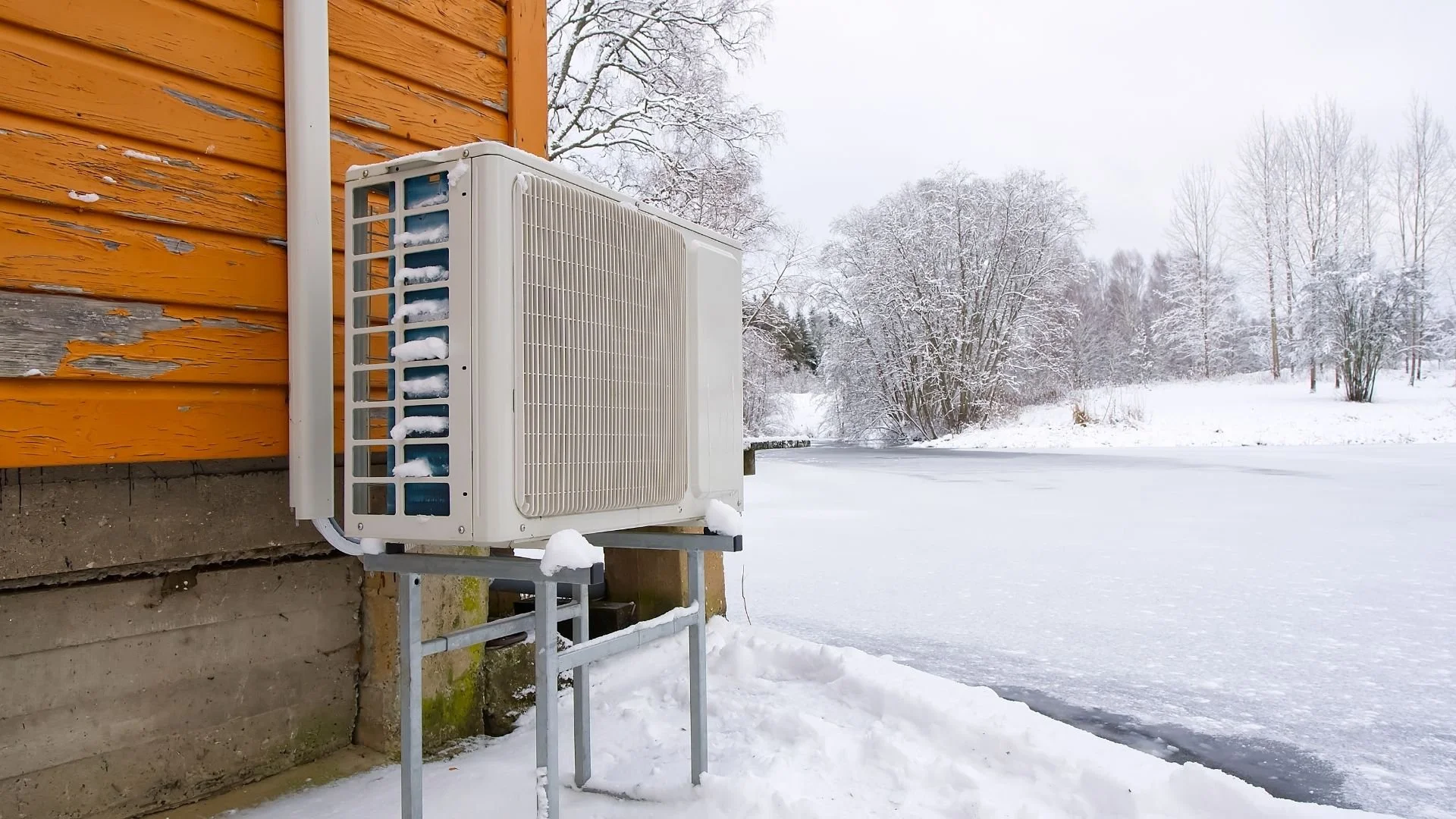
It's January in Kingston, and your furnace has been running hard since November. The stack of utility bills sits on the kitchen counter, each one heavier than the last. You're not alone—for most homeowners across Eastern Ontario, heating accounts for nearly half of the yearly energy bill.
But what if that number didn't have to be quite so high?
Modern HVAC technology has changed dramatically over the past decade. The systems being installed today operate in ways that would seem like science fiction compared to the furnace your parents had. And the efficiency gains aren't minor adjustments—they're the kind of improvements that genuinely reshape your wallet and your comfort through a Belleville winter. Let’s walk through what's actually changed, why it matters for your home, and how to know if an upgrade makes sense for your situation.
What the numbers say
Modern energy-efficient HVAC systems can reduce energy consumption by up to 40% compared to older conventional systems while maintaining or improving your comfort levels. Stop and think about that. If your furnace is more than 10 to 15 years old, upgrading could cut a significant chunk from your utility bills—often several hundred dollars annually for homeowners in the Kingston area. Those upfront costs typically pay for themselves within 3 to 5 years through operational savings. After that, you're looking at pure savings stretching across the remaining 15 to 20 years your system will operate.
The Technology Nobody Talks About
Traditional HVAC systems operate like an on-off switch: full capacity or nothing. Modern systems ramp up and down smoothly based on what you actually need at any given moment. Variable-speed compressors and variable frequency drives achieve this adjustment. Think of it like cruise control on a highway—your car doesn't floor the accelerator and coast repeatedly; it maintains a steady speed with minimal adjustment. Your HVAC system now works the same way. This seemingly small change yields energy savings of 20–30% compared to constant-speed systems. You're no longer paying to heat or cool your home at maximum capacity when 60% of that output would do the job.
The Intelligence Behind Your Thermostat
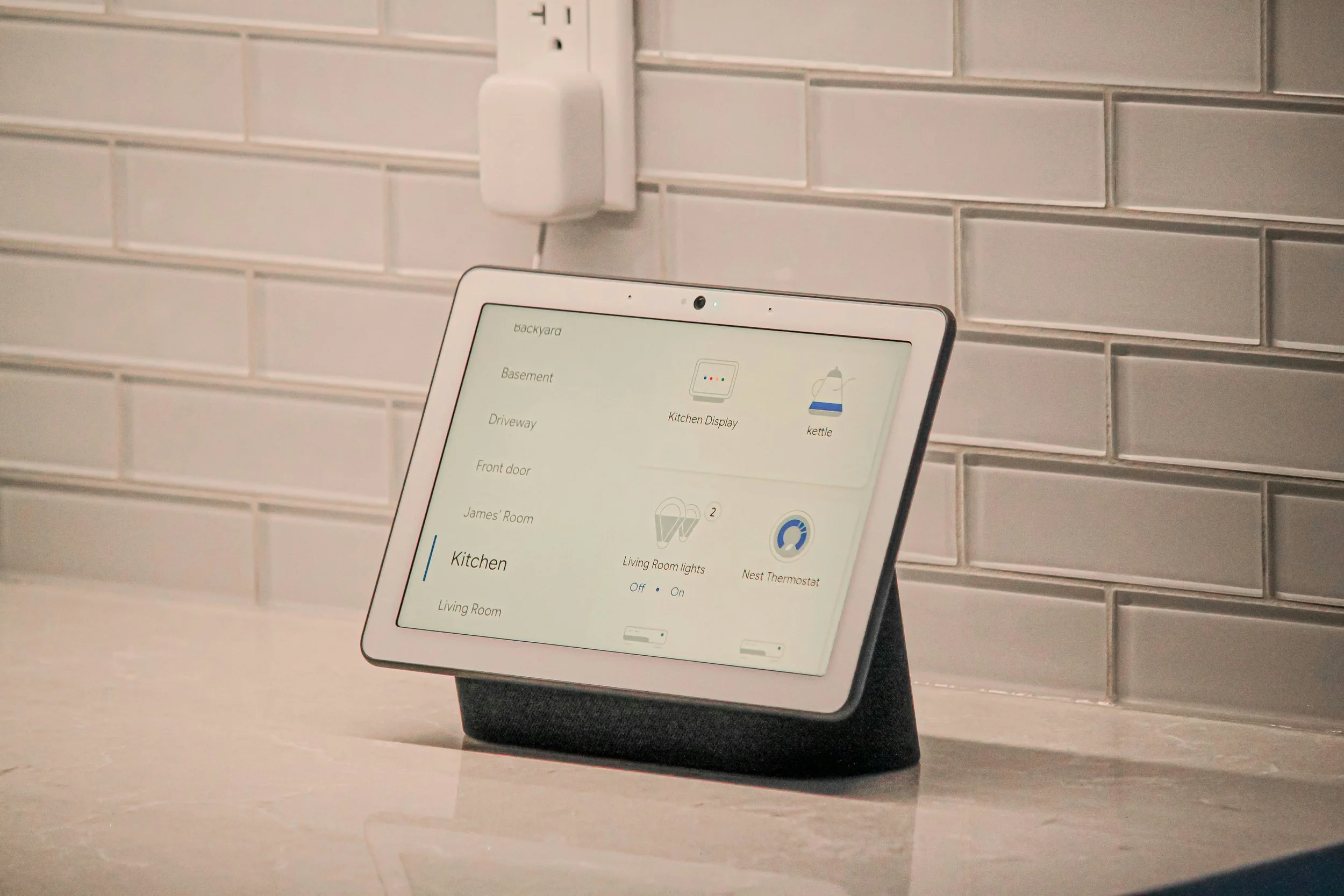
You probably interact with your thermostat multiple times a day without much thought. Adjust the dial, the furnace kicks on, the house warms up. That's it. Modern smart thermostats, however, operate on a completely different level. They use artificial intelligence and predictive analytics to learn your patterns—when you're home, when you're away, what temperature you prefer at different times. The system automatically adjusts heating and cooling based on this learning, resulting in energy consumption that drops by 25–35% compared to traditional thermostats. In practical terms, if the system knows you leave for work at 8 a.m., it gradually reduces heating rather than maintaining full comfort in an empty house. When you're home on a frigid Eastern Ontario evening, it anticipates your needs and adjusts before you even feel the temperature drop. During those unpredictable shoulder seasons when spring and fall temperatures swing wildly, the system responds faster than you could manually.
Heat Pumps are the new ‘hot’ thing
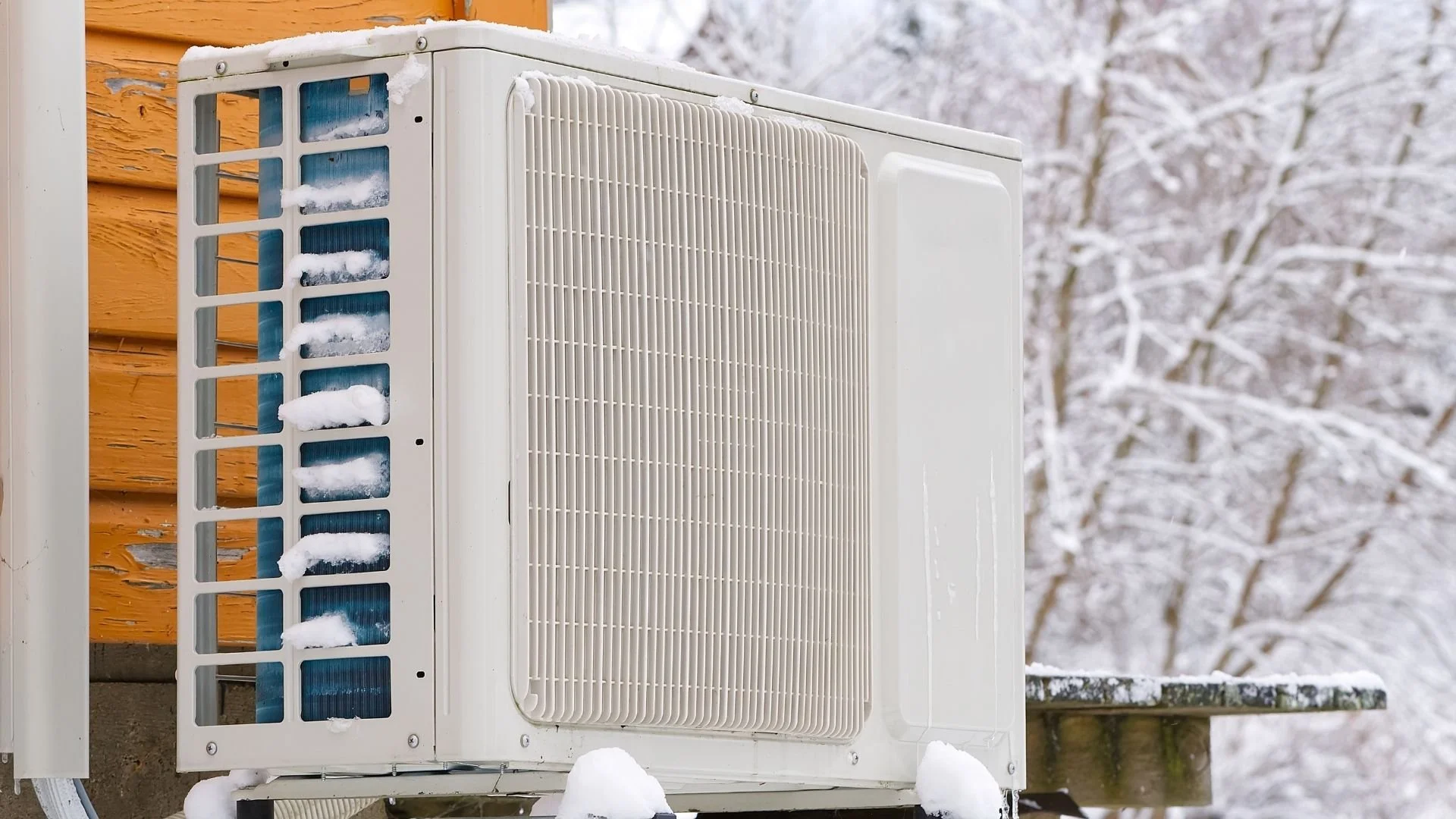
Heat pump conversions have shifted dramatically in Eastern Ontario over the past few years. That's because the technology actually works now—even in our cold winters. A heat pump operates completely differently from a traditional furnace. Rather than generating heat by burning fuel, it extracts warmth from outside air (even when temperatures are frigid) and transfers it inside. In summer, the process reverses to provide cooling. Some systems tap into ground-source technology, using the stable temperature of the earth just below the frost line for even more consistent performance. The efficiency numbers are substantial. Modern heat pump systems can achieve coefficient of performance (COP) values exceeding 4.0, meaning they produce more than four units of heating or cooling for every unit of electricity consumed. For homeowners in Kingston, Belleville, or Loyalist Township who've been hesitant about heat pumps due to cold-climate concerns, this represents a genuine shift. The systems now handle our winters reliably while significantly reducing operating costs and reliance on natural gas.
Your Current System and your options for it
If your furnace is 15 years old or older, you're facing a decision with real tradeoffs. There's no single right answer—it depends on your comfort, budget, and long-term plans.
Before replacing anything, consider a commissioning check.
This involves having a professional fine-tune your existing equipment to ensure it's running as efficiently as the design allows. It catches things like improperly calibrated thermostats, ductwork leaks or blockages, filters that haven't been changed properly, and dampers or valves not opening fully. A commissioning effort can improve efficiency by roughly 5% with minimal cost. For someone not ready to invest in new equipment, this buys time while squeezing extra performance from what you have.
If your system is fundamentally sound but aging, targeted component upgrades sometimes extend its life while improving efficiency. Replacing an old compressor with a high-efficiency model, installing a smart thermostat for better control, or adding a heat recovery ventilator to capture energy from exhaust air can all move the needle.
For systems beyond 15 years or experiencing frequent repairs, replacement makes economic sense. Modern integrated systems combining heat pumps, smart controls, and thermal storage can achieve 30–50% energy savings. That's the kind of improvement that genuinely changes your utility bills over time.
If your still unsure on what path is right for you, continue reading with our Kingston HVAC systems blog to get a better understanding of the pros and cons that each system offers.
The Emerging Path: Renewable Energy and Your HVAC
Some of the most exciting developments in residential HVAC involve integration with renewable energy sources. For homeowners in the Kingston area, this might mean solar-assisted systems or ground-source heat pumps.
Solar-assisted systems pre-heat water or air before it enters your HVAC system. In suitable applications with adequate solar exposure, this approach can reduce primary energy consumption by 40–60%. Not every Kingston home has ideal south-facing roof space, but if yours does, it's worth exploring.
Ground-source heat pumps take advantage of the stable temperatures found underground, typically below the frost line. They're more complex to install (requiring ground loops), but they offer consistent performance across our variable seasons. The trade-off is a higher upfront cost than air-source heat pumps. The payoff is more predictable comfort and efficiency year-round, particularly valuable during our cold winters and hot, humid summers.
What to watch out for with your HVAC System
Oversizing your system. This happens more often than you'd think. A system that's too large will cycle on and off frequently, using more energy and wearing out components faster.
Skipping maintenance. Even the most efficient system loses performance if filters aren't changed, refrigerant levels drift, or components aren't serviced annually. Budget for basic maintenance—it extends system life and preserves efficiency.
Ignoring ductwork. You can install the most efficient furnace available, but if your ducts are leaky or poorly designed, much of that efficiency is wasted. Ductwork matters more than most homeowners realize.
Making decisions based on price alone. The cheapest upfront cost often means higher operating expenses and shorter system life. Focus on total cost of ownership over 15–20 years, not just the installation price.
Before You Decide: Check What You Might Qualify For
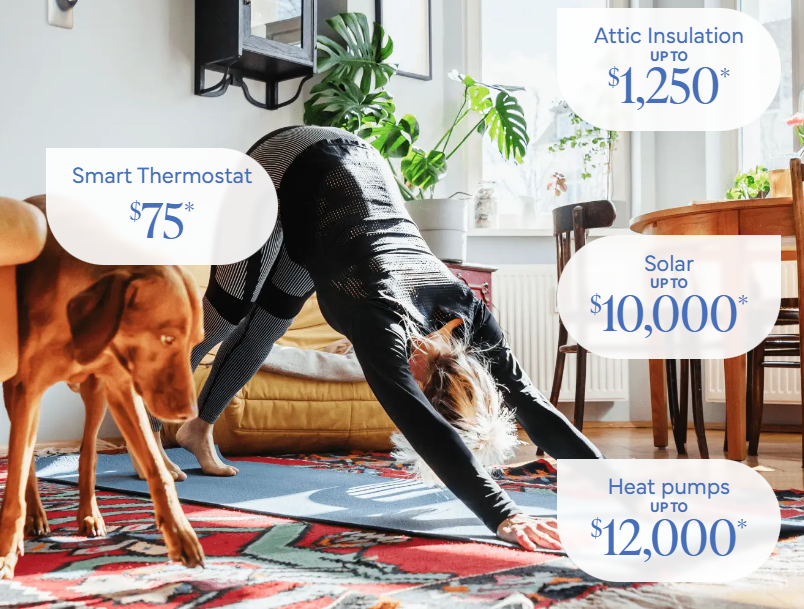
Federal, provincial, and local programs exist to help offset the cost of energy-efficient upgrades. The Canada Greener Homes Grant program provides incentives for heat pump installation in Kingston and the surrounding areas. Utilities Kingston and the City of Kingston also offer additional rebate programs worth exploring before you commit to a system purchase. For more information on possible grants for your HVAC system, check out our deep dive here!
Where You Actually Stand with your HVAC system this winter
Modern HVAC technology has transformed what's possible for residential comfort and efficiency. Energy-efficient systems achieve real savings—30–50% energy reductions compared to older systems—with payback periods of 3–5 years. For homeowners in Kingston and across Eastern Ontario, that's meaningful money in the bank plus a more reliable, comfortable home. Whether you're ready to upgrade now or planning for the future, understanding your options puts you in control.
Request a free HVAC consultation with ECM – We'll assess your current system, discuss efficiency upgrades tailored to your home and budget, and walk you through available options. No pressure, just honest advice from neighbors who understand Eastern Ontario's heating and cooling challenges.